
Cold Storage Warehouses in Malaysia: 12 Checks Before Buying or Leasing马来西亚冷库仓库:买家和租户签约前必须核实的12项条件
A practical guide to temperature zones, refrigeration load, power, insulated panels, refrigerants, fire safety, monitoring, loading operations and transaction responsibility.
一份涵盖温区、制冷负荷、电力、保温板、制冷剂、消防、监控、装卸流程及合同责任的实用指南。
Answer first: how should a buyer or tenant assess a cold storage warehouse?先说结论:买家或租户应如何评估冷库仓库?
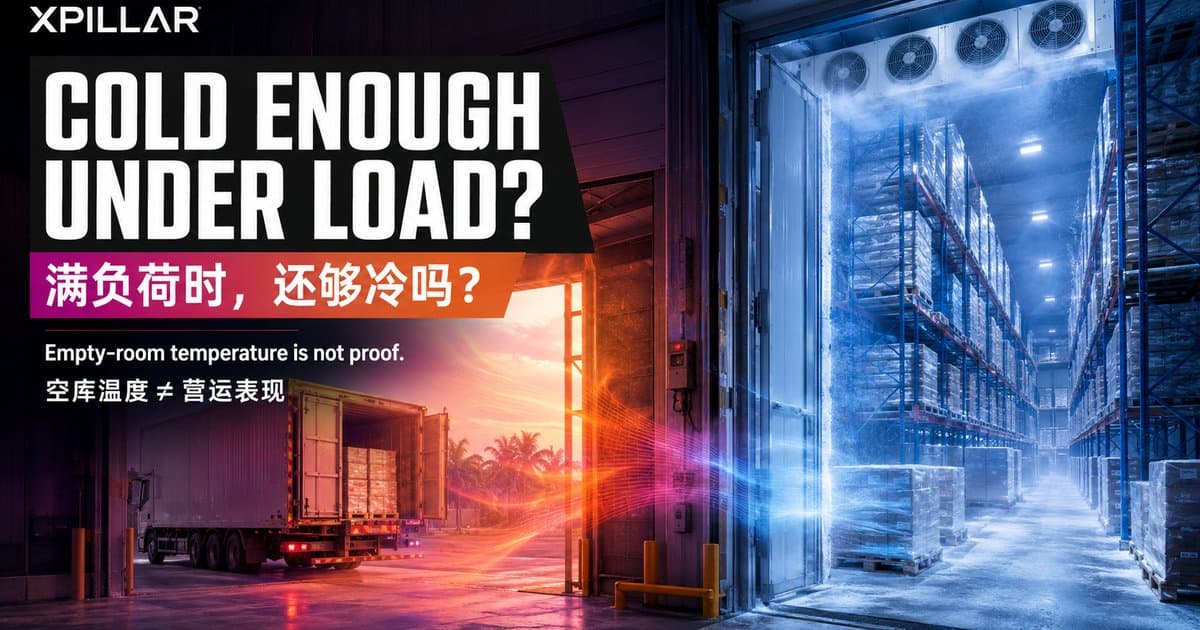
Before buying or leasing a cold storage warehouse in Malaysia, define the exact products, required temperature bands, pallet throughput, door-opening frequency and maximum loading pattern. Then verify that the property can maintain those conditions across the complete operating cycle—not only while the rooms are empty.
购买或租赁马来西亚冷库仓库前,企业应先明确具体产品、所需温区、每日托盘吞吐量、开门频率及最高装卸强度,然后核实物业在完整营运周期内能否持续维持这些条件,而不是只看空库时的温度。
The review should cover approved use; food, pharmaceutical or product-specific requirements; refrigeration design and condition; available electricity and backup strategy; insulated panels, vapour barriers and floors; refrigerant and pressure-equipment obligations; fire protection; temperature mapping and alarms; loading-dock control; drainage and hygiene; maintenance capability; and the contract allocation for upgrades, breakdowns, replacement and reinstatement.
尽调应包括批准用途;食品、药品或特定产品要求;制冷设计与设备状况;电力容量与备用方案;保温板、防潮层及地面;制冷剂和压力设备责任;消防系统;温度分布测试与报警;装卸区冷链控制;排水与卫生;维修能力;以及合同中对升级、故障、设备更换和恢复原状的责任分配。
The correct question is not simply, “How many cold rooms does the warehouse have?” It is:
真正应该问的,不只是“这里有多少间冷房”,而是:
Can this facility keep the specified products within their required conditions during the busiest hour, hottest operating conditions, door openings, defrost, maintenance and utility interruption—and can the buyer or tenant prove it?
在最繁忙时段、高温环境、频繁开门、除霜、维修或公用设施中断时,这项物业能否把指定产品维持在所需条件内,而且买家或租户能否用证据证明?
A room display showing the target temperature during a short viewing cannot answer that question. Neither can an old electricity bill or a landlord’s statement that the previous occupier “used it as a freezer.” Cold-storage suitability must be assessed against the incoming operation, current plant condition and documented performance.
看房时温度显示器出现目标数字,并不能回答这个问题。旧电费单或房东所说“上一任租户也用作冷库”,同样不能证明新业务适用。冷库是否合适,必须结合新营运模式、当前设备状况及有记录的实际表现进行评估
Important: This article provides general information, not engineering, food-safety, pharmaceutical, occupational-safety, fire, environmental, legal or investment advice. Requirements depend on the product, process, location, refrigerant, equipment, building and operating model. Obtain written advice from the relevant authorities and qualified Malaysian professionals before committing.
重要说明: 本文仅供一般参考,不构成工程、食品安全、药品、职业安全、消防、环境、法律或投资意见。具体要求取决于产品、工艺、地点、制冷剂、设备、建筑及营运模式。签约前,应向有关政府部门及合资格的马来西亚专业人士取得书面意见。
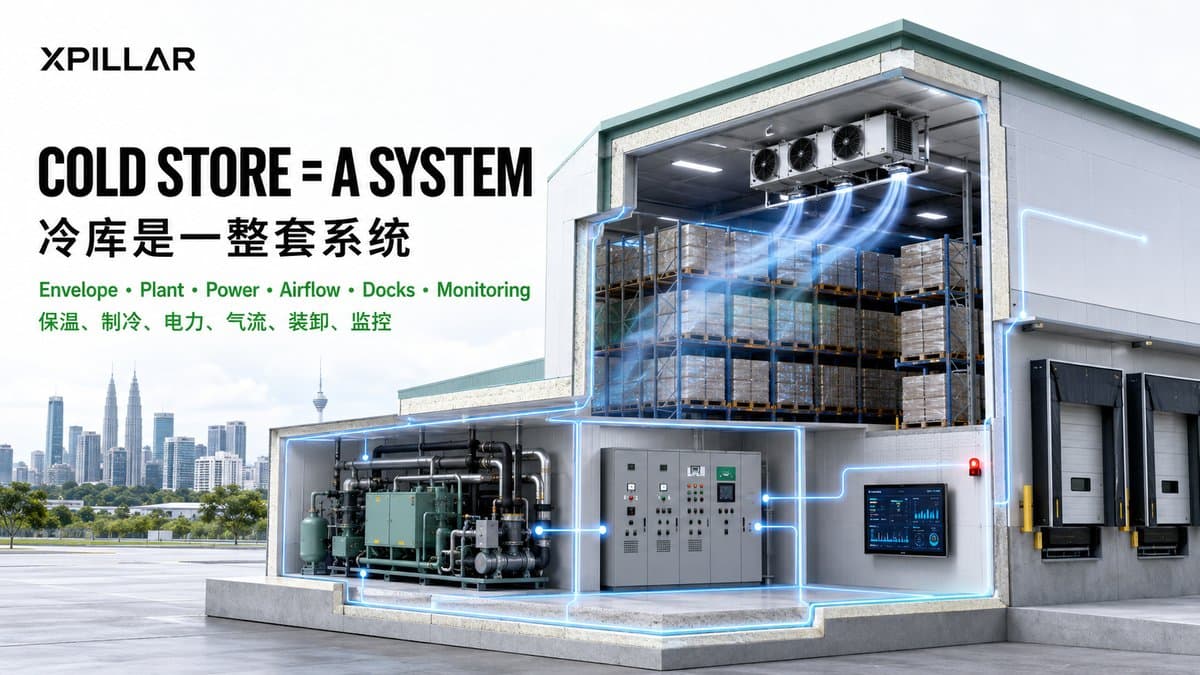
A cold store is a complete system, not an insulated room冷库是一套完整系统,不只是保温房间
A functioning cold-storage property connects several systems:
正常运作的冷库必须连接以下系统:
Building envelope → refrigeration plant → electricity → airflow → doors and loading docks → monitoring → maintenance → emergency response
建筑保温层 → 制冷设备 → 电力 → 气流 → 冷库门与装卸区 → 温度监控 → 维修 → 应急方案
If one link is weak, the room may still look cold during inspection but fail under actual throughput. Air leakage at docks can increase frost and energy use. Damaged vapour barriers can create hidden condensation. A refrigeration package can meet average load but struggle after long door openings. A generator may serve lights and alarms without supporting the compressors needed to protect the inventory.
任何一环薄弱,冷库在检查时可能仍然很冷,但真正投入营运后就会失败。装卸口漏风会增加结霜和耗电;防潮层损坏会形成隐藏冷凝水;制冷设备可能应付平均负荷,却无法在长时间开门后迅速恢复温度;发电机也可能只支持照明与报警,无法启动保护库存所需的压缩机。
The buyer or tenant must therefore assess both real estate and operating infrastructure.
因此,买家或租户必须同时审查房地产和营运基础设施。
The 12 cold-storage checks 冷库仓库的12项检查
1. Define products, temperature bands and throughput | 明确产品、温区与吞吐量Start with a written user requirement. Do not use “chilled” or “frozen” as the complete design brief.
先制作书面使用需求,不能只用“冷藏”或“冷冻”作为完整设计说明。
Record/ 记录:
- product categories and packaging;产品类别及包装;
- required storage and handling conditions;所需储存与处理条件;
- acceptable temperature excursions, if any;允许的温度偏差;
- inbound product temperature;入库产品温度;
- daily and peak pallet movements;每日及最高托盘流量;
- maximum stock volume and stacking pattern;最大库存及堆放方式;
- pull-down or blast-freezing requirements;降温或速冻要求;
- quarantine, returns and damaged-goods areas;隔离品、退货及损坏品区域;
- cleaning and hygiene procedures; and清洁与卫生程序;以及
- expected future expansion.未来扩充计划。
Different products can require different operating controls even when stored in the same nominal temperature range. Food, pharmaceuticals, vaccines, chemicals and biological products may also be subject to different regulatory and quality systems.
即使名义温区相同,不同产品也可能需要不同控制。食品、药品、疫苗、化学品及生物产品还可能受到不同监管与质量体系约束。
Malaysia’s Ministry of Health states that the Food Hygiene Regulations 2009 set requirements for food premises, owners and handlers during preparation, handling, storage, packaging and transportation. A cold store handling food should confirm how the Food Act, Food Hygiene Regulations, registration, licensing and product-specific requirements apply to its actual activities. (MOH Food Safety and Quality Programme)
马来西亚卫生部说明,《2009年食品卫生条例》对食品场所、业主及食品处理人员在生产、处理、储存、包装和运输过程中的食品安全与卫生作出要求。经营食品冷库的企业,应确认《食品法令》、食品卫生条例、注册、执照和产品特定要求如何适用于实际业务。(MOH Food Safety and Quality Programme)
2. Verify approved use and operating approvals | 核实批准用途与营运许可An industrial title or warehouse approval does not automatically confirm that refrigerated food, pharmaceutical products or a high-hazard refrigerant operation is approved.
工业地契或仓库用途,不代表冷藏食品、药品或采用较高危险性制冷剂的业务已经获准。
Compare/ 比较:
- title conditions and local-plan zoning;地契条件及地方规划用途;- planning permission and approved building use;规划许可与建筑批准用途;- CCC or earlier CF and approved plans;CCC或旧CF及核准图则;- approved extensions, plant rooms, platforms and canopies;扩建、机房、平台及雨棚的批准;- local-authority business or premise licensing;地方政府营业或场所执照;- food-premise registration or sector approvals where applicable;适用时的食品场所注册及行业批准;- BOMBA requirements and Fire Certificate position;BOMBA要求及Fire Certificate情况;- environmental and occupational-safety obligations; and环境与职业安全责任;以及- the incoming operator’s intended product and process.新经营者准备储存的产品与工艺。
If part of an ordinary warehouse will be converted to cold rooms, identify whether the insulated rooms, machinery, structural loads, drainage, fire systems or external condensers require plan submissions or approvals before work begins.
如果要把普通仓库一部分改成冷房,应先确认保温房、制冷机、结构荷载、排水、消防系统或室外冷凝器是否需要提交图则或取得批准。
3. Calculate the real refrigeration load | 计算真实制冷负荷
Cooling capacity should be calculated from the complete operation, including:
制冷容量必须根据完整业务计算:
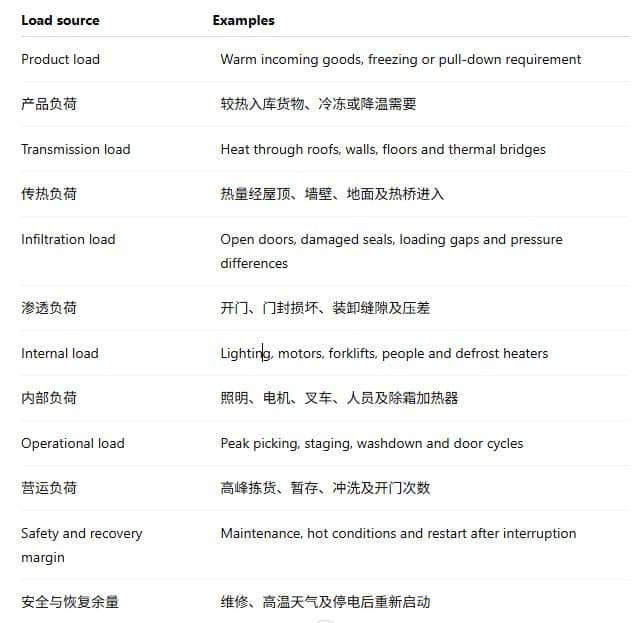
Ask for the original design basis, heat-load calculation, equipment selection, room dimensions, setpoints and operating assumptions. Then compare them with the incoming operation.
应要求提供原始设计依据、热负荷计算、设备选型、房间尺寸、设定温度及营运假设,再与新业务比较。
An empty room reaching its setpoint overnight is not a capacity test. Performance should be assessed during representative loading, door activity and external conditions by qualified refrigeration professionals.
空库经过一夜达到设定温度,并不是容量测试。应由合资格制冷专业人士在具有代表性的货物、开门活动及外部条件下评估表现。
4. Verify electricity capacity, maximum demand and power quality | 核实供电容量、最高需量与电能质量
Refrigeration is often the dominant electrical load, but the property may also require electric defrost, evaporator fans, condensers, dock equipment, chargers, pumps, lighting and office systems.
制冷通常是冷库最大电力负荷,但物业还可能需要电热除霜、蒸发器风机、冷凝器、装卸设备、充电器、水泵、照明及办公室系统。
Check/ 检查:
- approved and available supply capacity;获批准及实际可用的供电容量;- transformer and switchboard ratings;变压器和总配电盘规格;- recorded maximum demand and load profile;历史最高需量与负荷曲线;- starting current and sequencing of compressors;压缩机启动电流及启动次序;- power-factor correction and power-quality issues;功率因数及电能质量;- protection settings and cable capacity;保护设定与电缆容量;- metering arrangement if the site is shared;共用物业的电表安排;- planned expansion load; and扩充后负荷;以及- upgrade cost, application responsibility and lead time.升级成本、申请责任与时间。
TNB’s Electricity Supply Application Handbook provides current guidance on supply applications, connections and metering. Its appendices include information for applications exceeding 100A and multi-tenanted arrangements. A utility bill shows historical consumption; it does not by itself confirm spare capacity for a new refrigeration plant. (TNB ESAH)
TNB的Electricity Supply Application Handbook提供供电申请、接驳及计量指引,附录也包括超过100A申请及多租户安排资料。电费单只能反映过去用电,不能证明新制冷系统仍有足够备用容量。(TNB ESAH)
5. Inspect insulated panels, vapour barriers and thermal bridges | 检查保温板、防潮层与热桥
Cold-room panels can hide expensive defects. Inspect the walls, ceilings, doors and floor interfaces for:
冷库板可能隐藏昂贵缺陷。检查墙壁、天花、门及地面交界:
- crushed, wet, delaminated or damaged panels;保温板是否压坏、受潮、分层或损坏;
- open joints, failed sealant and missing flashings;接缝是否打开、密封胶失效或收边缺失
- corrosion around fixings and supports;固定点及支架是否腐蚀;
- condensation, ice or staining outside the room;冷房外是否出现冷凝、结冰或水渍;
- thermal bridges at columns, beams, hangers and penetrations;柱、梁、吊件及穿孔位置是否形成热桥;
- damaged vapour barriers;防潮层是否损坏;
- ceiling suspension and access arrangements;天花吊装及维修通道是否安全;
- pest-entry points and hygiene gaps; and是否存在虫害入口与卫生缝隙;以及
- door seals, heaters, closers and emergency releases.门封、门框加热、自动关闭及紧急开门装置是否正常。
Use thermal imaging and moisture investigation where appropriate, but interpret results with qualified professionals. A cosmetic patch can conceal wet insulation or recurring vapour migration.
适当时可使用热成像与含水检测,但必须由专业人士解释。表面修补可能掩盖保温层受潮或反复水汽渗透。
The fire properties and approved construction of insulated panels also matter. Obtain product data, installation records, approvals and any modifications rather than assuming all sandwich panels perform the same way.
保温板的消防性能及批准构造同样重要。应取得产品资料、安装记录、批准文件及改动记录,不能认定所有夹芯板表现相同。
6. Review the refrigeration plant and its remaining life | 审查制冷设备及剩余寿命
Record every major asset/ 逐项记录:- compressors and packages;压缩机及机组;
- condensers, evaporators and fans;冷凝器、蒸发器及风机;
- receivers, separators and pressure vessels;储液器、分离器及压力容器;
- pumps, valves and control panels;水泵、阀门及控制盘;
- defrost system;除霜系统;
- oil-management and refrigerant-charge systems;油管理及制冷剂充注系统;
- leak-detection and ventilation systems;泄漏检测及通风;
- water-treatment or evaporative-condenser systems;水处理或蒸发式冷凝系统;
- monitoring software and sensors; and监控软件与传感器;
- 以及standby units and critical spare parts.备用机组及关键零件。
Request commissioning data, maintenance logs, breakdown records, leak history, oil analysis where applicable, refrigerant top-up records, warranties and spare-parts availability. Verify the manufacturer, model, serial number, age, duty, standby arrangement and ownership of each asset.
要求提供调试资料、维修记录、故障记录、泄漏历史、适用时的油品分析、制冷剂补充记录、保修及零件供应情况。核实每项设备的品牌、型号、序列号、年龄、工作容量、备用安排和所有权。
Two identical rooms can have very different value when one uses supported equipment with documented maintenance and the other depends on obsolete controls or a single compressor with no redundancy.
两间相同大小的冷房,可能具有完全不同的价值:一间采用仍有技术支持并有完整维修记录的设备;另一间依赖已经停产的控制系统或没有备用的单一压缩机。
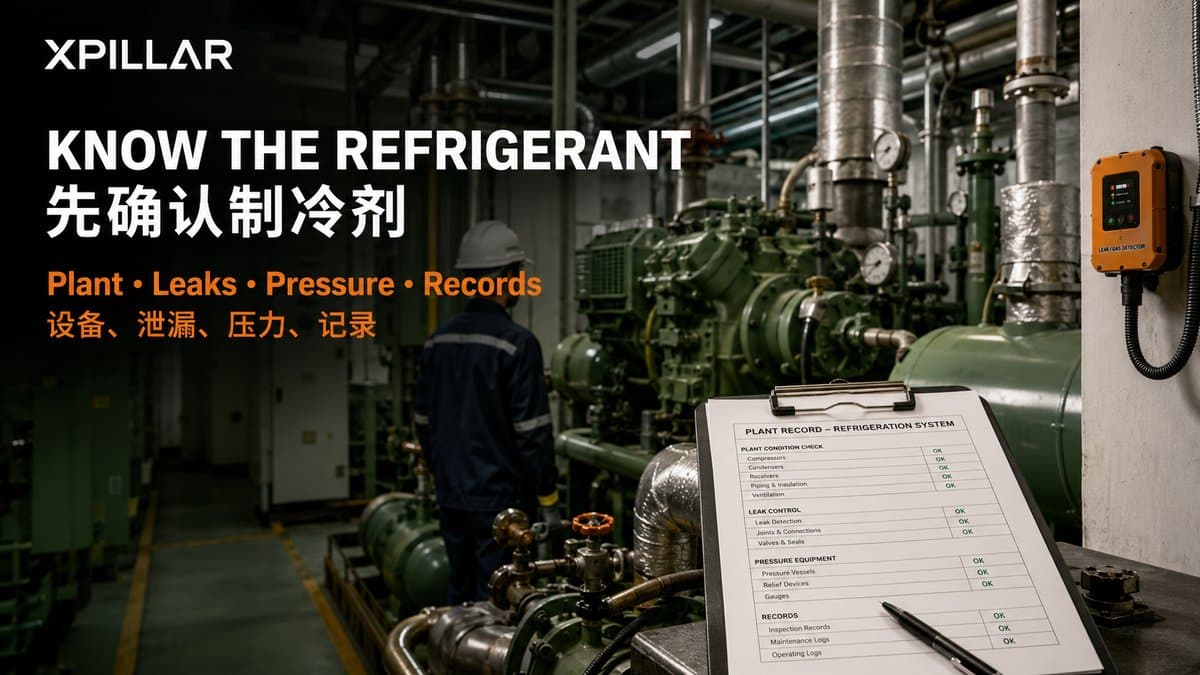
7. Identify the refrigerant and regulatory obligations7. 确认制冷剂与监管责任The refrigerant affects efficiency, safety, environmental obligations, service capability and future retrofit cost. Establish:
制冷剂会影响效率、安全、环境责任、维修能力及未来改造成本。确认:
refrigerant type and total charge;制冷剂种类与总充注量;system layout and isolation zones;系统布置及隔离区域;leak-detection and alarm arrangement;泄漏检测及报警;machinery-room ventilation and emergency controls;机房通风与紧急控制;service contractor competence;维修承包商资格;top-up, recovery and disposal records;补充、回收及处置记录;availability and cost of the refrigerant; and制冷剂供应与价格;以及retrofit or phase-out exposure.改造或逐步淘汰风险。Malaysia’s Environmental Quality (Refrigerant Management) Regulations 2020 require refrigerant-related servicing to be carried out by a trained person who has attended a certified refrigerant-handling course, prohibit refrigerant discharge into the environment, and regulate reclamation, recycling, disposal and record-keeping. Buyers and tenants should check the actual refrigerant against the current schedules and obligations instead of relying on a generic “environmentally friendly” description. (DOE Refrigerant Management Regulations 2020)
马来西亚《2020年环境质量(制冷剂管理)条例》规定,涉及制冷剂的维修必须由接受认可制冷剂处理课程的受训人员进行;禁止把制冷剂排放到环境,并对回收、循环再用、处置和记录作出规定。买家或租户应按照实际制冷剂核对现行清单及责任,不能只依赖“环保制冷剂”等宣传。(DOE Refrigerant Management Regulations 2020)
For ammonia, carbon dioxide or other systems with particular safety characteristics, obtain project-specific hazardous-substance, ventilation, detection, emergency-response and occupational-safety advice.
如果使用氨、二氧化碳或其他具有特定安全特性的系统,应取得有关危险物质、通风、检测、应急及职业安全的项目专属意见。
8. Check pressure equipment, lifting equipment and workplace safety | 检查压力设备、起重设备与工作场所安全
Cold-storage plants may contain pressure vessels, lifting equipment and other plant subject to occupational-safety requirements. The Occupational Safety and Health (Plant Requiring Certificate of Fitness) Regulations 2024 prescribe steam boilers, pressure vessels and lifting machinery as plant requiring certificates of fitness, while also containing detailed exclusions and conditions.
冷库设备可能包括受到职业安全要求约束的压力容器、起重设备及其他机械。《2024年职业安全与健康(需要合格证的设备)条例》把蒸汽锅炉、压力容器及起重机械列为需要合格证的设备,同时列有详细豁免和条件。
The buyer or tenant should not assume that every refrigeration component requires a certificate—or that none does. Ask a competent person to identify each relevant plant item and verify:
买家或租户不能假设每一项制冷设备都需要合格证,也不能假设全部都不需要。应由合资格人员识别有关设备并核实:
- design verification and installation approval where applicable; 适用时的设计验证及安装批准;
- registration and current Certificate of Fitness; 登记及有效 Certificate of Fitness;
- inspection dates and safety-device tests; 检查日期及安全装置测试;
- maintenance, repair and alteration records; 维修、修理及改装记录;
- ownership and occupier details; and业主与使用者资料;以及
- the effect of relocation, sale, lease or transfer. 搬迁、出售、出租或转让的影响。
The 2024 Regulations state that a Certificate of Fitness is valid for 15 months from inspection and include notification duties when covered plant is sold, leased, transferred or disposed of. Applicability must be determined from the actual equipment and exclusions. (P.U. (A) 99/2024)
2024年条例规定,合格证从检查日起有效15个月,并列出有关设备出售、出租、转让或处置时的通知责任。具体是否适用,必须根据真实设备及豁免进行判断。(P.U. (A) 99/2024)
9. Reassess fire safety for the actual cold-storage layout | 按真实冷库布局重新评估消防
Cold rooms can change fire behaviour, visibility, compartmentation, sprinkler coverage and evacuation. Review the installed design against the actual:
冷房可能改变火灾发展、能见度、防火分区、喷淋覆盖及逃生条件。应根据以下真实情况审查消防设计:
- insulated-panel construction;保温板构造;
- cold-room height and layout;冷房高度及布局;
- pallet and rack arrangement;托盘与货架安排;
- commodity and packaging;货物及包装;
- ceiling and in-rack sprinkler configuration where applicable; 适用时的天花及货架内喷淋;
- penetrations and fire stopping;穿墙位置与防火封堵;
- exits, emergency lighting and door-release mechanisms;出口、应急照明及冷房门紧急释放装置;
- machinery rooms and refrigerant hazards;机房及制冷剂危险;
- battery charging and electrical rooms; and电池充电及电气房;以及
- fire-pump, tank, alarm and maintenance records.消防泵、水池、报警及维修记录。
JBPM states that premises within the designated-premises categories require a Fire Certificate. Whether the warehouse falls within those categories depends on the current legal criteria and actual building. Even when a Fire Certificate is not required, approved fire-safety systems and other duties can still apply. (JBPM Fire Certificate guidance)
JBPM说明,属于指定场所类别的物业必须取得Fire Certificate。冷库是否落入指定范围,取决于现行法律标准及真实建筑。即使不需要Fire Certificate,获批准的消防系统和其他责任仍可能适用。(JBPM Fire Certificate guidance)
Do not assume an ordinary warehouse sprinkler arrangement remains suitable after adding insulated rooms or high-piled frozen goods. Obtain qualified fire review before approving the layout.
普通仓库原有喷淋系统,未必在加入保温房或高位冷冻货物后仍然适用。批准布局前必须取得合资格消防审查。
10. Inspect floors, racking, drainage and hygiene flow | 检查地面、货架、排水与卫生流程Cold stores combine structural, thermal and hygiene demands. Check:
冷库同时具有结构、热工及卫生要求。检查:
- slab and subgrade capacity for dense pallet loads and racking; 地坪与地基是否适合高密度托盘及货架;
- rack-leg, forklift wheel, impact and dynamic loads;货架脚、叉车轮、撞击及动态荷载;
- floor insulation and underfloor heating or frost-protection system where used;地面保温及适用时的地坪防冻加热;
- cracking, heaving, settlement and damaged joints;裂缝、隆起、沉降及接缝损坏;
- freezer-suitable floor finishes and slip risk;适合冷库的地面材料及防滑;
- condensate and defrost drainage;冷凝水及除霜排水;
- washdown routes, traps and odour or pest risk;冲洗路线、隔气弯、异味或虫害风险;
- segregation of clean, dirty, rejected and returned goods; and清洁区、污染区、不合格品及退货的分隔;以及
- access for cleaning and maintenance.清洁和维修通道。
Ice at a doorway may be a symptom of infiltration, drainage failure, door-management problems or vapour-barrier defects—not merely a housekeeping issue.
门口结冰可能来自漏风、排水故障、开门管理问题或防潮层损坏,并不只是清洁问题。
Have the proposed rack and forklift plan checked against verified structural information. A general floor-loading number does not confirm concentrated rack-leg or wheel loads.
建议让工程师根据已核实的结构资料检查货架与叉车布置。普通“每平方米承重”数字,不能证明货架脚或叉车轮集中荷载适用。
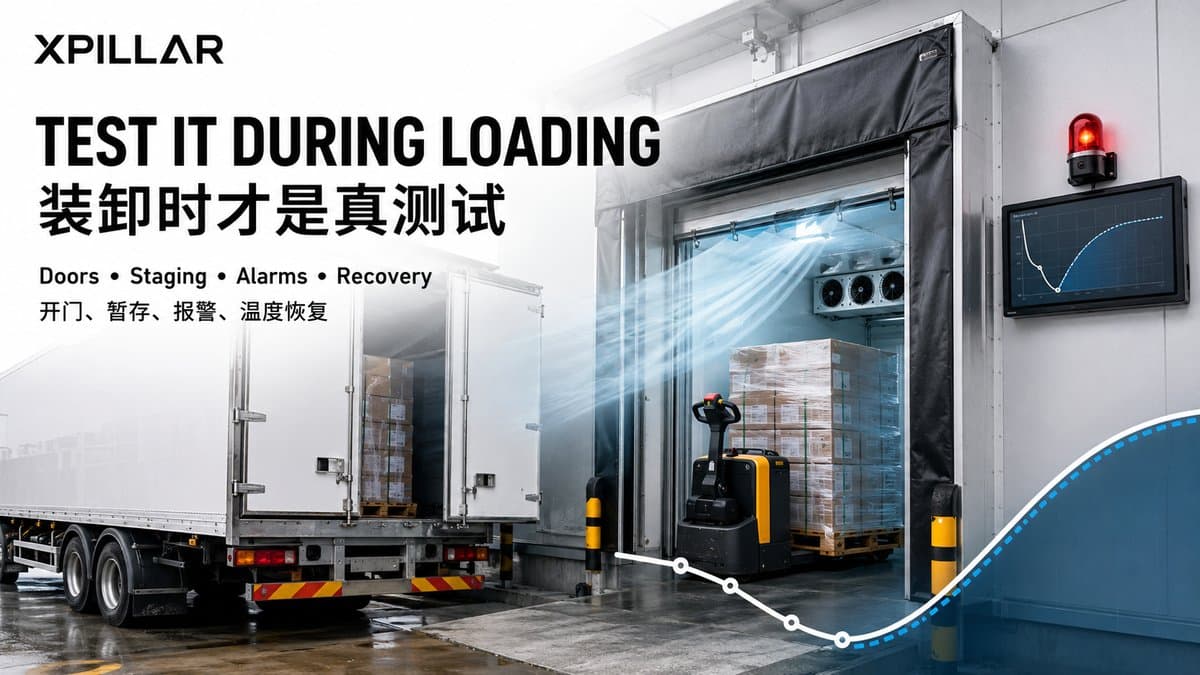
11. Test loading docks, temperature recovery and monitoring | 测试装卸流程、温度恢复及监控The cold chain is most vulnerable where goods move between vehicles, staging and storage. Observe a realistic operating cycle:
冷链最脆弱的位置,通常是货物在车辆、暂存区与冷房之间移动时。应观察真实营运周期:
- truck arrival and dock sealing;货车到达及装卸口密封;- unloading and product inspection;卸货与产品检查;- staging duration;暂存时间;- movement through ante-rooms or air curtains;通过缓冲间或风幕;- door-opening frequency and discipline;开门频率及操作纪律;- room temperature recovery;冷房温度恢复;- outbound consolidation; and出库集货;以及- rejected or temperature-excursion handling.不合格品或温度偏差货物处理。
Verify monitoring architecture, sensor location, calibration, data retention, alarm escalation, remote access and backup communications. Temperature mapping should reflect the product, room, loading pattern and applicable quality system—not only the location of the controller probe.
核实监控架构、传感器位置、校准、数据保存、报警升级、远程访问及备用通信。温度分布测试应反映产品、房间、装载方式及适用质量体系,不能只看控制器探头位置。
For pharmaceutical and other time- and temperature-sensitive products, NPRA’s Good Distribution Practice guidance calls for controls that preserve product quality during storage, transportation and distribution; its supplementary notes specifically address management of time- and temperature-sensitive products. (NPRA GDP guidance)
针对药品及其他时间与温度敏感产品,NPRA的Good Distribution Practice指引要求在储存、运输及配送过程中维持产品质量,其补充说明也专门处理时间与温度敏感产品。(NPRA GDP guidance)
12. Price resilience, maintenance and transaction responsibility | 计算韧性、维修和交易责任Cold storage has operating and capital costs that an ordinary warehouse comparison may miss. Build a whole-life cost table:
冷库拥有普通仓库比较时容易遗漏的营运及资本成本。制作全寿命成本表:
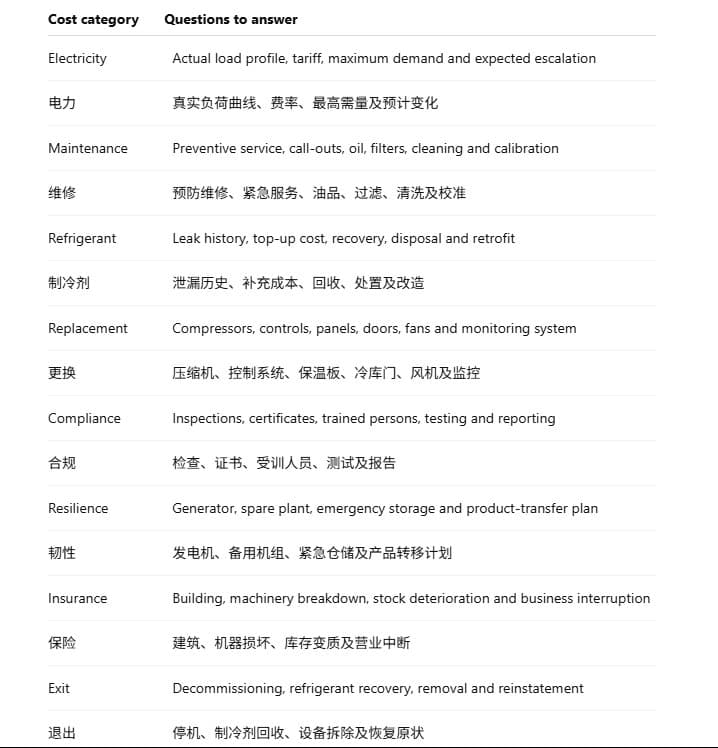
The sale or tenancy agreement should identify/ 买卖或租赁协议应写明:
- who owns each panel, room and refrigeration asset;每一块保温板、冷房及制冷设备由谁拥有;
- verified capacity and condition evidence;已核实的容量与状况证据;
- who obtains approvals and pays for upgrades;谁负责申请批准及支付升级费用;
- landlord and tenant maintenance boundaries;房东与租户的维修边界;
- breakdown response and replacement responsibility;故障响应及更换责任;
- rights to install generators, condensers and external pipework;安装发电机、冷凝器及室外管道的权利;
- responsibility for temperature loss and stock damage;温度失控及库存损失责任;
- insurance requirements;保险要求;
- handover tests and baseline condition report; and交付测试与基准状况报告;以及
- removal, decommissioning and reinstatement at expiry.租约到期时的拆除、停机及恢复原状。
For a critical operation, make unresolved power, refrigeration, fire, pressure-equipment or licensing matters express conditions with deadlines and remedies. A general promise that the warehouse is “cold-store ready” is not sufficient protection.
对于关键业务,应把尚未解决的电力、制冷、消防、压力设备或执照问题列为明确条件,写明期限与补救方式。笼统承诺“冷库即用”并不足以保障交易。
A practical site-inspection sequence 实地检查顺序
- Visit during live loading, not only when the warehouse is quiet.
在真实装卸时段看场,不要只选仓库安静时参观。
- Record outside, dock, ante-room and room conditions.
记录室外、装卸区、缓冲间及冷房状况。
- Observe door cycles, frost, condensation and temperature recovery.
观察开门、结霜、冷凝及温度恢复。
- Inspect the plant room, condensers, switchboards and monitoring system.
检查机房、冷凝器、配电盘及监控系统。
- Match equipment labels to the plant register and certificates.
把设备铭牌与设备清单及证书核对。
- Review alarms, breakdown history and emergency procedures.
查阅报警、故障历史及应急程序。
- Compare the actual layout with approved plans and product flow.
把实际布局与核准图则及产品流程比较。
- Obtain specialist refrigeration, electrical, structural and fire assessments before commitment.
签约前取得制冷、电气、结构和消防专业评估。
Final takeaway 最后总结
A cold-storage warehouse is suitable only when the building, refrigeration, electricity, workflow, safety systems, monitoring and contract all support the intended product.
只有当建筑、制冷、电力、工作流程、安全系统、监控及合同都能支持指定产品时,冷库仓库才真正适用。
Before signing, build this evidence chain:
签约前,应建立以下证据链:
Product requirement → heat-load design → power and plant capacity → insulated envelope → safe refrigerant system → controlled loading → verified monitoring → funded maintenance and resilience
产品要求 → 热负荷设计 → 电力与制冷容量 → 保温结构 → 安全制冷剂系统 → 受控装卸 → 已验证监控 → 有预算的维修与备用方案
If any link is unverified, do not solve the uncertainty with a marketing label or a lower rent. Define the required evidence, responsible party, upgrade budget, deadline and remedy in the transaction.
任何一环没有核实,都不应以宣传标签或较低租金代替证据。交易文件必须写明所需证明、责任方、升级预算、完成期限及未完成时的补救方法。
Frequently Asked Questions常见问题
1. Does an empty cold room reaching the setpoint prove it has enough capacity?空冷房达到设定温度,是否证明容量足够?No. The room should be assessed under representative product load, door activity, defrost cycles and external conditions. An empty-room reading does not prove temperature recovery or peak-load performance.
不能。必须在具有代表性的产品负荷、开门活动、除霜周期及外部条件下评估。空库温度不能证明温度恢复或高峰表现。
2. Is an old electricity bill enough to verify a cold-storage warehouse?一张旧电费单足以核实冷库吗?No. It shows historical consumption, not available supply capacity, maximum-demand headroom, starting current, power quality or the incoming operator’s refrigeration load.
不足。它只反映过去用电,不能证明剩余供电容量、最高需量余量、启动电流、电能质量或新经营者的制冷负荷。
3. Who should verify the refrigeration equipment?谁应该检查制冷设备?A qualified refrigeration professional should review the design, condition, refrigerant, load, redundancy and performance. Relevant electrical, fire, occupational-safety, structural and product-quality specialists may also be required.
应由合资格制冷专业人士审查设计、状况、制冷剂、负荷、备用能力及表现;同时可能需要电气、消防、职业安全、结构及产品质量专家。
4. Does every refrigeration pressure vessel require a DOSH Certificate of Fitness? 每一个制冷压力容器都需要DOSH Certificate of Fitness吗?Not necessarily. The 2024 Regulations prescribe pressure vessels but also contain exclusions and conditions. A competent person should classify the actual equipment and verify design, installation, registration, inspection and certificate requirements.
不一定。2024年条例把压力容器列入管理,但也包含豁免与条件。应由合资格人员分类真实设备,并核实设计、安装、登记、检查及证书要求。
5. What backup is needed for a cold store?冷库需要什么备用系统?There is no universal answer. The strategy should reflect product value, allowable excursion, outage duration, refrigeration starting load, generator capability, spare plant, alarm communications and access to alternative storage.
没有适用于所有冷库的统一答案。方案应根据产品价值、允许温度偏差、停电时长、制冷启动负荷、发电机能力、备用机组、报警通信及替代仓储决定。
6. Should a cold-store tenancy state who pays for compressor replacement?冷库租约需要写明谁负责更换压缩机吗?Yes. It should identify equipment ownership, maintenance standards, breakdown response, replacement responsibility, upgrade works, insurance and end-of-term removal or reinstatement.
需要。协议应明确设备所有权、维修标准、故障响应、更换责任、升级工程、保险,以及租期结束时的拆除或恢复原状。
Find cold-chain industrial property with Xpillar通过Xpillar寻找冷链工业物业Browse industrial properties on Xpillar, or submit your requirements for temperature range, pallet capacity, power, loading access, location and budget so the team can help shortlist suitable factories and warehouses in Malaysia.
浏览XPillar工业地产房源,或提交温区、托盘容量、电力、装卸通行、地区及预算要求,让团队协助筛选适合的马来西亚厂房与仓库。