
Answer first 先说结论
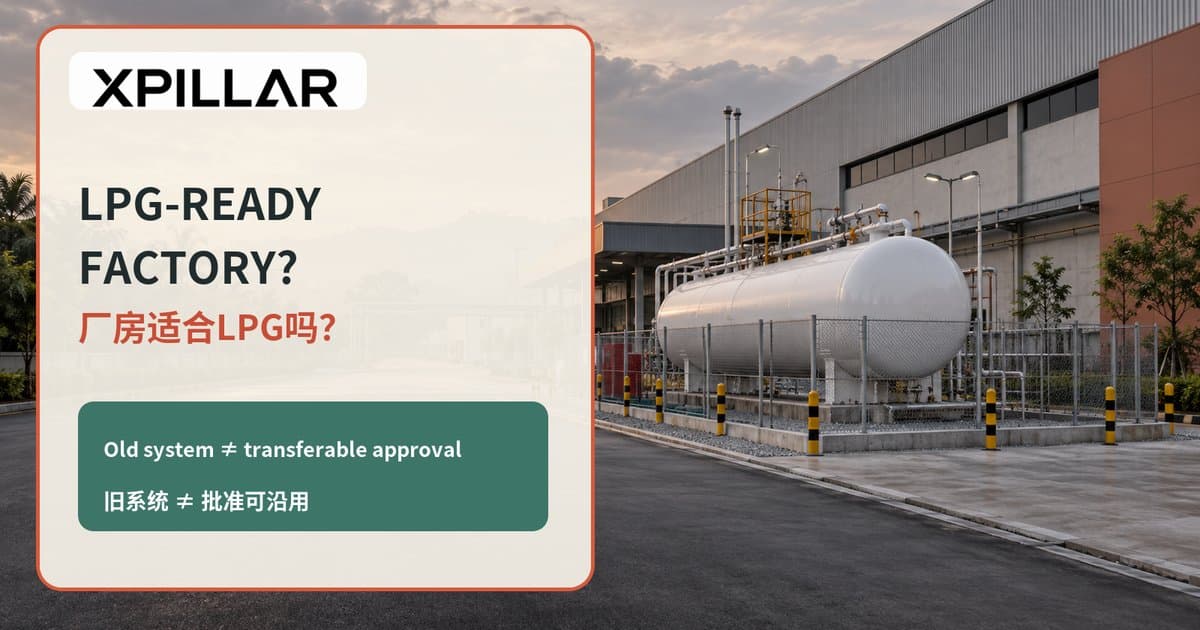
A Malaysian factory is not “LPG-ready” merely because it has an old bulk tank, cylinder cage, yellow pipe or former tenant approval.
一间马来西亚厂房即使已有旧LPG储罐、钢瓶间、黄色管道或前租户批准,也不能自动称为“LPG-ready”。
The incoming manufacturer must align its actual fuel demand with the exact storage arrangement, approved tank or cylinders, pressure-vessel status, piping route, competent contractor, fire controls, delivery-tanker access, drainage, building layout and current operating permissions.
新制造企业必须把实际燃料需求,与准确的储存方式、获批储罐或钢瓶、压力容器状态、管线路线、合资格承包商、消防措施、槽车通道、排水、建筑布局及现行营运批准逐项匹配。
DOSH’s current pipeline-design page treats LPG bulk storage as storage from tanks or cylinders and describes PTI/PTO routes for LPG bulk storage and fuel-gas piping.
DOSH现行管线设计页面把LPG散装储存说明为通过储罐或钢瓶储存,并列出LPG散装储存及燃料气管线的PTI/PTO申请路径。
Its examples include two or more LPG cylinders at factory premises, liquid-withdrawal cylinder systems and bulk tanks.
示例包括厂房内两个或以上LPG钢瓶、液相输出钢瓶系统及散装储罐。
The Energy Commission separately states that a new gas installation or extension requires Approval to Install (ATI) before work and Approval to Operate (ATO) after completion, supported by completion and test certificates signed by the appropriate competent person.
能源委员会则另外说明,新燃气装置或扩建工程须在施工前取得安装批准(ATI),完成后凭合资格人士签署的完工证书及测试证书申请营运批准(ATO)。
The correct pathway depends on the actual storage, piping, supply and licensing arrangement; one approval should never be assumed to replace every other approval.
正确路径取决于实际储存、管线、供气及牌照安排;不能假设一项批准可以取代所有其他批准。
The deal question is therefore:
所以,交易真正要问的是:
Can this exact property support this exact LPG quantity, storage method, delivery pattern and production process—with matching approvals and evidence?
这项物业能否承载这项具体LPG用量、储存方式、供气频率及生产工艺,而且每项批准和证据都能够对应?
Important: This article provides general industrial-property information, not engineering, fire-safety, DOSH, Energy Commission, licensing or legal advice.
重要说明: 本文仅提供一般工业地产资讯,不构成工程、消防、DOSH、能源委员会、执照或法律意见。
Requirements depend on the actual equipment, quantity, pressure, supply model, state, local authority and use.
要求取决于实际设备、数量、压力、供气模式、州属、地方政府及用途。
Obtain current written confirmation from the relevant authorities and qualified professionals before commitment.
签约前请向相关政府部门及合资格专业人士取得最新书面确认。
LPG is a complete site system, not only a tankLPG是一整套场地系统,不只是一个储罐
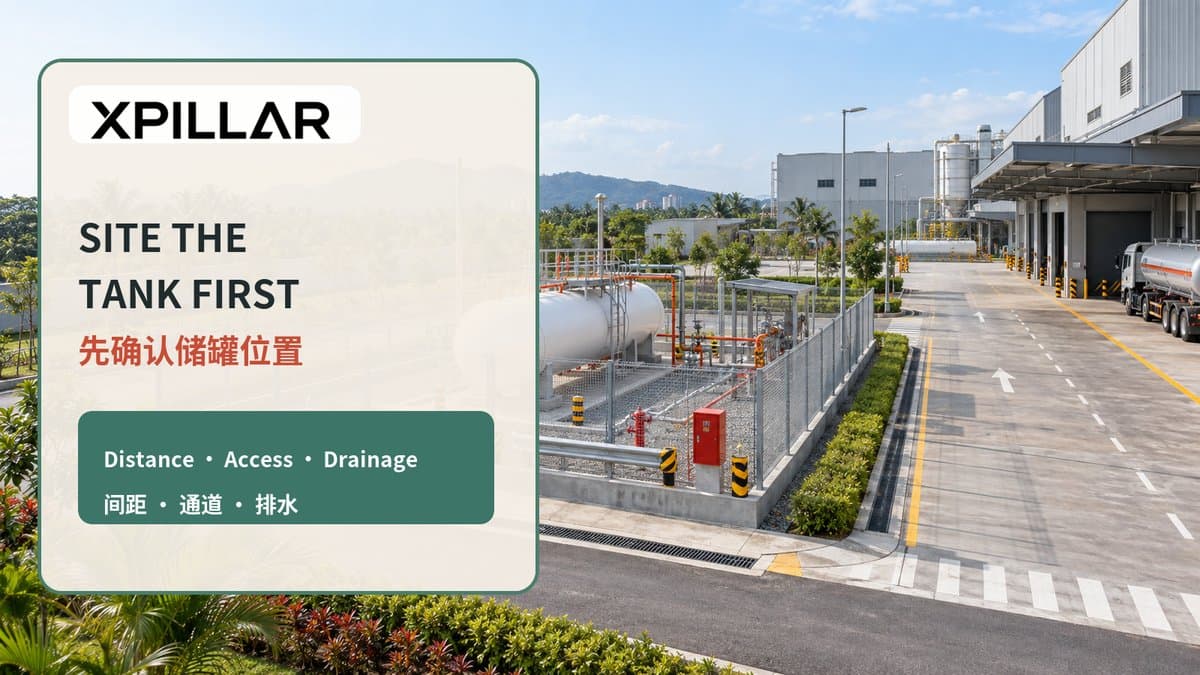
An industrial LPG system can include cylinders or a bulk tank, filling connection, tanker standing area, pressure-relief devices, vapour or liquid withdrawal, vapouriser, regulators, meters, isolation and excess-flow valves, emergency shutdown, gas detection, pipework, burners and fire protection.
工业LPG系统可能包括钢瓶或散装储罐、充装接口、槽车停靠区、泄压装置、气相或液相输出、气化器、调压器、计量装置、隔离阀及过流阀、紧急切断、气体检测、管线、燃烧设备和消防系统。
The property must accommodate the entire chain safely.
物业必须能够安全容纳整条系统链。
The 12 checks12项检查
1. Model the real LPG demand 计算真实LPG需求
List every burner, oven, dryer, boiler, furnace or process user.
列出每一台燃烧器、烘炉、干燥机、锅炉、熔炉或工艺用气设备。
Record normal and peak fuel consumption, operating pressure, simultaneous use, shifts, start-up demand, production growth and the consequence of an interrupted supply.
记录正常与峰值耗量、操作压力、同时使用情况、班次、启动需求、产能增长及供气中断后果。
Do not size storage merely from the former tenant’s tank.
不能只根据前租户留下的储罐决定容量。
Compare cylinder-bank, skid and bulk-tank options on refill frequency, delivery risk, vapourisation capacity, land use, capex and approval work.
比较钢瓶组、撬装系统及散装储罐在补充频率、供货风险、气化能力、占地、资本开支和审批工作方面的差异。
A larger tank may reduce deliveries but demand more space and infrastructure.
更大的储罐可能减少送货次数,却需要更多空间和基础设施。
2. Confirm the regulatory boundary in writing 书面确认监管边界
Map each asset and activity to the responsible authority: petroleum storage and fuel-gas pipeline permissions, pressure-vessel requirements, gas-installation approvals, fire safety, planning or building amendments, workplace safety and business licensing.
把每项设备与活动对应到主管部门,包括石油储存及燃料气管线许可、压力容器要求、燃气装置批准、消防、规划或建筑改动、职业安全及营业执照。
Malaysia’s Petroleum (Safety Measures) Act 1984 regulates safety in petroleum transportation, storage and utilisation, while the Gas Supply Act and Regulations govern their stated gas-supply and installation scope.
《1984年石油(安全措施)法令》监管石油运输、储存及使用安全,而《燃气供应法令》及其条例则监管其列明的供气及燃气装置范围。
Ask the appointed professionals to confirm which approvals apply to the proposed configuration.
要求受委任专业人士确认拟议配置适用哪些批准。
Avoid a generic statement such as “DOSH approved” without naming the asset, document, location and current holder.
不要接受只写“DOSH approved”的笼统说法,必须明确设备、文件、地点及当前持有人。
3. Classify the storage arrangement correctly 正确分类储存方式
DOSH’s page describes bulk LPG storage as storage from a tank or cylinders exceeding two industrial 50 kg cylinders, while its PTI examples include two cylinders or more at factory premises, liquid-withdrawal two-cylinder systems and bulk tanks such as 200 kg, 2.5 kL, 10 kL and 60 kL.
DOSH页面把LPG散装储存说明为通过储罐或超过两个50公斤工业钢瓶的系统储存,同时其PTI示例包括厂房内两个或以上钢瓶、两个钢瓶的液相输出系统,以及200公斤、2.5 kL、10 kL、60 kL等散装储罐。
Use the exact arrangement and current authority confirmation, not a colloquial label such as “small LPG set”.
应根据准确配置及主管部门当前确认判断,不能只用“小型LPG设备”等口头名称。
Record number of cylinders, individual and total capacity, vapour or liquid withdrawal, manifold, tank water capacity, working pressure, vapouriser and pipework.
记录钢瓶数量、单瓶及总容量、气相或液相输出、汇流排、储罐水容积、工作压力、气化器及管线。
Changing any of these can change the design and approval pathway.
任何一项改变,都可能影响设计和审批路径。
4. Prove PTI and PTO for the exact site 证明现场准确系统的PTI及PTO
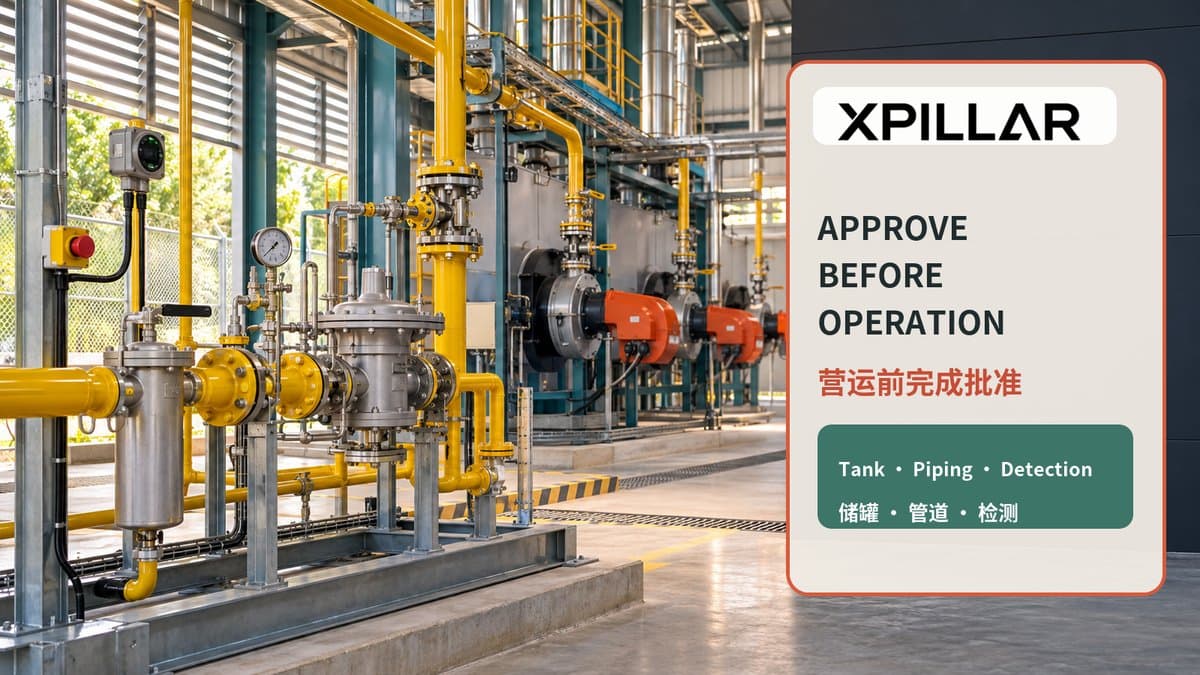
For the DOSH bulk-storage and fuel-gas-pipeline pathway, request the Permission to Install (PTI), approved layout and technical submissions before construction, followed by the Permission to Operate (PTO) and inspection records for the completed installation.
若属于DOSH散装储存及燃料气管线路径,应索取施工前的安装许可(PTI)、获批布局及技术呈交文件,以及完工系统的营运许可(PTO)和检验记录。
DOSH provides specific TPSP forms, including TPSP 3 for installation and TPSP 5 for operation.
DOSH提供专用TPSP表格,包括安装用TPSP 3及营运用TPSP 5。
Match the approved owner or occupier, address, tank or cylinder arrangement, capacity, piping route and appliances against the physical system.
把获批业主或使用者、地址、储罐或钢瓶配置、容量、管线路线及燃气设备与现场逐项核对。
A PTO for another company, layout or fuel demand should be treated as historical evidence, not automatic permission for the incoming occupier.
属于另一家公司、布局或燃料需求的PTO,只能视为历史资料,不能自动成为新使用者的营运许可。
5. Verify the tank as a pressure vessel 核实储罐的压力容器身份
An LPG storage tank may also fall within the pressure-vessel regime.
LPG储罐也可能属于压力容器监管范围。
Under the Occupational Safety and Health (Plant Requiring Certificate of Fitness) Regulations 2024, pressure vessels are prescribed plant subject to design verification, installation, inspection, maintenance and CF requirements unless a stated exclusion applies.
根据《2024年职业安全与卫生(须取得合格证书的机械)条例》,压力容器属于受监管设备,除非符合明确豁免,否则涉及设计验证、安装、检验、维护及CF要求。
A CF issued under the regulations is valid for 15 months from the inspection date.
按照该条例签发的CF自检验日期起有效15个月。
Check manufacturer, serial number, design code, design pressure, capacity, drawings, test records, registration and CF against the physical tank and location.
把制造商、序列号、设计规范、设计压力、容量、图纸、测试记录、注册及CF与现场储罐及地点逐项核对。
Paint colour, supplier sticker or a gauge reading is not proof of vessel identity.
油漆颜色、供应商贴纸或压力表读数不能证明容器身份。
6. Obtain the correct gas-installation ATI and ATO 取得正确的燃气装置ATI及ATO
Energy Commission Regulation 15 requires Approval to Install before work begins on a new gas installation or extension.
能源委员会根据第15条规定,新燃气装置或扩建工程须在施工前取得安装批准。
Applications are made by registered gas contractors, and the Commission identifies MS 830 and MS 930 among the relevant design codes.
申请由注册燃气承包商提交;委员会列明MS 830及MS 930等相关设计规范。
Regulation 16 requires Approval to Operate after completion with a Certificate of Completion and Test Certificate signed by the appropriate competent person.
第16条要求工程完成后,凭合资格人士签署的完工证书及测试证书申请营运批准。
Confirm the registered contractor, competent person, approved fittings, pipe route, pressure testing, commissioning and licence position for the actual supply model.
确认实际供气模式下的注册承包商、合资格人士、获批配件、管线路线、压力测试、调试及牌照状态。
A landlord’s consent or equipment quotation is not ATI or ATO.
业主同意或设备报价并不等于ATI或ATO。
7. Test whether the tank location is physically workable 测试储罐位置是否真正可行
Overlay the proposed tank compound on a measured site plan.
把拟议储罐区叠加在实测场地图上。
Review separation from buildings, boundaries, openings, air intakes, ignition sources, electrical equipment, drains, pits, public areas and other hazardous storage under the applicable approved standard and authority requirements.
并按照适用批准标准及主管部门要求,审查其与建筑、边界、门窗、进风口、点火源、电气设备、排水沟、地坑、公共区域及其他危险品储存区之间的间距。
Also check ventilation, ground level, flood exposure, security, fencing, lighting, lightning protection, impact barriers, emergency access and future building expansion.
同时检查通风、地坪标高、洪水暴露、保安、围栏、照明、防雷、防撞设施、紧急通道及未来扩建。
A vacant corner is not necessarily an approvable LPG compound.
一处空置角落不一定能够获批作为LPG储罐区。
8. Prove delivery-tanker access 证明槽车供气通道
Model the supplier vehicle’s entry, swept path, turning radius, standing position, hose route and exit.
模拟供应商槽车的入口、转弯轨迹、回转半径、停靠位置、软管路线及出口。
The vehicle must not block fire-engine access, escape routes, loading operations or public roads.
车辆不能阻挡消防车通道、逃生路线、装卸作业或公共道路。
Check overhead cables, gates, gradients, reversing distance and pavement capacity.
还应检查架空电线、大门、坡度、倒车距离及路面承载力。
Agree delivery hours, isolation controls, supervision, emergency communication and responsibility for spills or damage.
约定送货时间、隔离控制、现场监督、紧急通讯,以及泄漏或损坏责任。
A tank that cannot be refilled safely is not an operational utility.
无法安全补充燃料的储罐,并不构成可营运的公用系统。
9. Trace every pipe, valve and appliance 追踪每一段管线、阀门及燃气设备
Walk the approved route from storage to each appliance.
沿着获批路线,从储存区走到每一台燃气设备。
Verify materials, diameter, pressure class, supports, corrosion protection, isolation, regulator stages, excess-flow protection, flexible connections, equipment approvals, ventilation and access for inspection.
核实管材、管径、压力等级、支撑、防腐、隔离、调压级数、过流保护、软连接、设备批准、通风及检验通道。
Compare as-built drawings with the physical installation.
把竣工图与现场装置进行比较。
Temporary hoses, undocumented branches, hidden pipework, removed detectors or a changed appliance are warning signs.
临时软管、没有文件的支管、隐藏管线、被拆除的检测器或已更换的燃气设备,都是警讯。
Require proper testing and recommissioning before use.
使用前应完成正规测试及重新调试。
10. Separate leak detection, shutdown and fire response 分开核实漏气检测、紧急切断及消防应对
Verify detector type and position, alarm coverage, calibration, automatic shut-off, manual emergency stop, isolation valves, pressure relief discharge, signage, extinguishing equipment and emergency procedures.
核实检测器类型及位置、警报覆盖、校准、自动切断、手动紧急停止、隔离阀、泄压排放、标识、灭火设备及紧急程序。
Test what happens when power fails, a detector alarms or a valve closes.
测试停电、检测器报警或阀门关闭时系统如何反应。
Coordinate the LPG design with the factory’s fire strategy and BOMBA submissions.
把LPG设计与厂房整体消防策略及BOMBA呈交文件协调。
Do not assume that a building Fire Certificate validates an LPG system added later or altered by a tenant.
不能假设建筑物的消防证书会自动涵盖租户后来增加或改动的LPG系统。
11. Check drainage, flood, heat and neighbouring risks 检查排水、洪水、热源及邻近风险
Because LPG vapour can accumulate in low areas, identify drains, trenches, pits, basements and enclosed spaces near the proposed system.
由于LPG蒸气可能在低洼处积聚,应识别拟议系统附近的排水沟、沟槽、地坑、地下空间及封闭区域。
Review surface falls, flood levels and whether a release could migrate toward occupied or ignition-prone areas.
并检查地面坡向、洪水水位,以及泄漏是否可能流向有人使用或存在点火源的区域。
Assess exposure to vehicle collision, hot work, boilers, transformers, loading bays, hazardous chemicals and neighbouring occupancies.
评估车辆碰撞、热作业、锅炉、变压器、装卸区、危险化学品及邻近用途带来的风险。
The property boundary does not stop heat, vapour or emergency access conflicts.
地界并不能阻止热量、蒸气或紧急通道冲突。
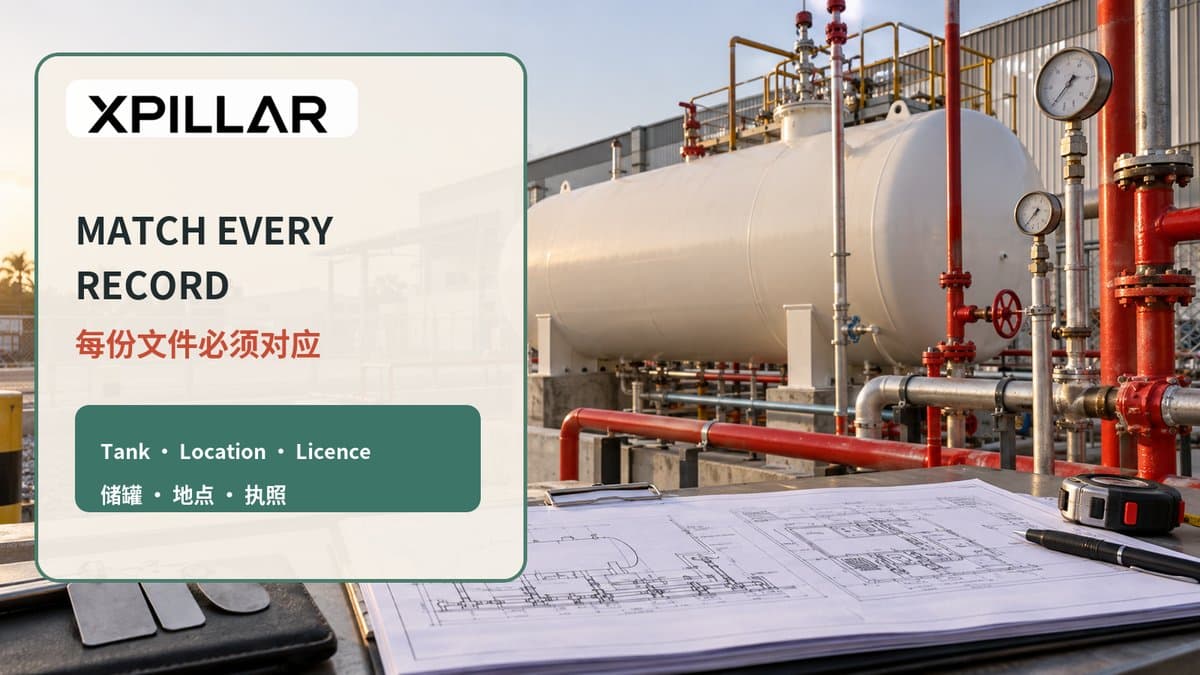
12. Put approvals, ownership and removal duties into the deal 把批准、所有权及拆除责任写入交易文件
The letter of offer, tenancy or sale agreement should identify which LPG assets are included, who owns them, whether supplier financing or retention-of-title applies, which approvals must be obtained, who pays for professional work and upgrades, and what happens if approval is refused or delayed.
要约、租约或买卖协议应明确哪些LPG资产包含在交易内、由谁拥有、是否涉及供应商融资或所有权保留、必须取得哪些批准、谁承担专业服务与升级费用,以及批准被拒或延误时如何处理。
For a lease, state maintenance, inspection, insurance, fuel supply, downtime, damage, decommissioning, purging, tank removal and reinstatement responsibilities.
租赁交易还应明确维护、检验、保险、燃料供应、停机、损坏、停用、置换清洗、储罐拆除及恢复责任。
Make non-refundable commitment conditional on evidence that materially affects feasibility.
对于实质影响可行性的证据,应设置为不可退还承诺之前的先决条件。
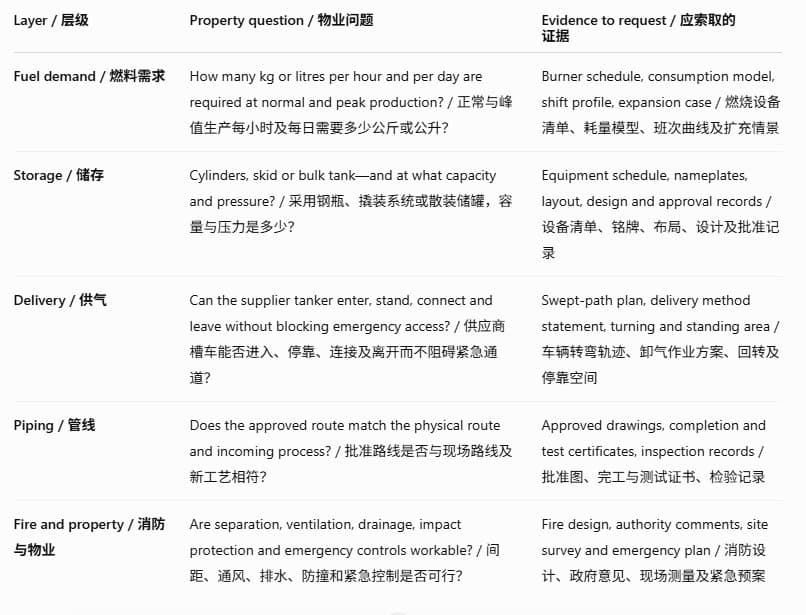
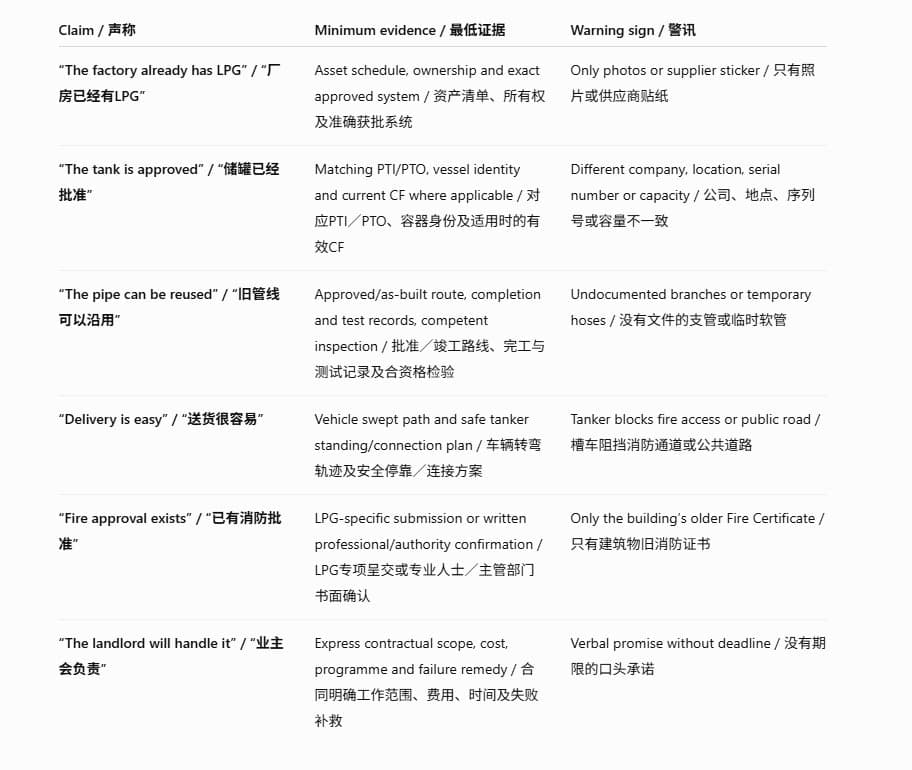
Evidence matrix before commitment签约前证据矩阵
Red, amber and green decision rule红黄绿决策原则
Green: Demand is documented; the exact storage, vessel and piping records match the site; siting and tanker access are workable; the relevant installation and operating pathways are confirmed; fire and emergency controls are integrated; and transaction responsibilities are written.
绿色: 用量已有记录;准确储存、容器及管线文件与现场相符;选址及槽车通道可行;相关安装与营运路径已经确认;消防及紧急控制已经整合;交易责任也已写明。
Amber: LPG appears feasible, but the final capacity, authority pathway, separation layout, professional design, delivery plan, cost or programme remains unresolved.
黄色: LPG系统看来可行,但最终容量、主管部门路径、间距布局、专业设计、送货方案、费用或时间仍未解决。
Keep the transaction conditional and budget the work.
应保留交易先决条件,并把工程纳入预算。
Red: The tank identity or ownership is unclear; approvals do not match; the tank location conflicts with buildings, drains or access; the pipework has undocumented changes; fire controls are missing; or the deposit becomes non-refundable before feasibility is proven.
红色: 储罐身份或所有权不清;批准文件不对应;储罐位置与建筑、排水或通道冲突;管线存在无文件改动;缺少消防控制;或可行性尚未证明,订金已经不能退还。
Frequently Asked Questions 常见问题
1. Does an existing LPG tank mean the factory is approved for LPG? 现场已有LPG储罐,是否代表厂房已获批使用LPG?
No. 不是。
Verify the tank identity, owner or occupier, location, capacity, PTI/PTO, pressure-vessel records, piping approvals, fire provisions and current use.
必须核实储罐身份、业主或使用者、地点、容量、PTI/PTO、压力容器记录、管线批准、消防措施及现行用途。
Former-tenant records may not transfer to a new system or operator.
前租户文件未必适用于新系统或新营运者。
2. Are two LPG cylinders at a factory automatically a simple installation? 厂房使用两个LPG钢瓶,是否自动属于简单装置?
Do not assume so. 不能这样假设。
DOSH’s published examples include installation of two or more cylinders at factory premises and liquid-withdrawal systems.
DOSH公布的示例包括厂房内安装两个或以上钢瓶,以及液相输出系统。
Confirm the exact cylinder count, capacity, withdrawal arrangement and current approval pathway.
应按准确钢瓶数量、容量、输出方式及现行审批路径确认。
3. What are PTI and PTO? PTI和PTO是什么?
In the DOSH bulk-storage and petroleum-pipeline context, PTI is permission to install and PTO is permission to operate.
在DOSH散装储存及石油管线监管背景下,PTI是安装许可,PTO是营运许可。
The documents should match the exact site and completed system.
文件必须与准确地点及完工系统相符。
4. What are ATI and ATO? ATI和ATO是什么?
Under the Energy Commission gas-installation process, ATI is Approval to Install before work, while ATO is Approval to Operate after completion and testing.
在能源委员会燃气装置流程下,ATI是施工前的安装批准,ATO是完工及测试后的营运批准。
A registered gas contractor applies through the stated process.
由注册燃气承包商按照规定流程申请。
5. Does an LPG tank need a DOSH CF? LPG储罐是否需要DOSH CF?
An LPG tank may be a regulated pressure vessel.
LPG储罐可能属于受监管压力容器。
Check its design, pressure, dimensions, function and any applicable exclusion against P.U. (A) 99/2024, then verify the matching design, installation, inspection and CF records with the appropriate competent parties or DOSH.
应根据P.U. (A) 99/2024核对其设计、压力、尺寸、用途及任何适用豁免,再向合资格人士或DOSH核实对应设计、安装、检验及CF记录。
6. Can the incoming tenant reuse the previous tenant’s LPG pipe? 新租户可以沿用前租户的LPG管线吗?
Only after confirming ownership, condition, approved route, materials, pressure class, appliances, testing and the approvals required for the new process.
只有在确认所有权、状况、批准路线、管材、压力等级、燃气设备、测试及新工艺所需批准后,才可决定。
Reuse is an engineering and regulatory decision, not a visual one.
能否沿用属于工程与监管判断,不是目测判断。
7. Is landlord consent enough to install an LPG tank? 业主同意是否足以安装LPG储罐?
No. 不足够。
Landlord consent addresses private property rights.
业主同意只处理私人物业权利。
Regulatory approvals, professional design, fire safety, planning or building implications, vessel requirements and operating permissions remain separate.
监管批准、专业设计、消防、规划或建筑影响、容器要求及营运许可仍须分别完成。
8. What should be a transaction condition precedent? 哪些事项应列为交易先决条件?
Common candidates include written confirmation of the approval pathway, an approvable tank location, safe delivery access, satisfactory vessel and piping evidence, landlord consent, professional cost estimate and a realistic authority programme.
常见事项包括:书面确认审批路径、可获批的储罐位置、安全供气通道、令人满意的容器与管线证据、业主同意、专业费用预算及现实的政府审批时间。
Tailor the conditions to the actual deal.
具体条件应按实际交易制定。
Conclusion 总结
The correct property question is not “Is LPG available?”
正确的物业问题不是“这里有没有LPG?”
It is whether the exact site can safely receive, store, regulate and deliver the required LPG to the actual process—with matching property rights, technical design, approvals and emergency controls.
而是这项具体场地能否安全接收、储存、调压并把所需LPG输送到实际生产工艺,同时具备相符的物业权利、技术设计、批准及紧急控制。
Complete the fuel-demand model, authority map, measured site plan, tanker review and documentary matching before paying a non-refundable deposit or committing to a long lease.
在支付不可退订金或签订长期租约前,应完成燃料需求模型、主管部门路径、实测场地图、槽车评估及文件对应检查。
That work protects both the start-up date and the industrial-property decision.
这些工作能够同时保护投产日期及工业地产决策。