

AI Is Rewriting Data Centre Site Selection in Malaysia: What MDEC’s 2026 Infrastructure Message Means for Land and PowerAI正在重写马来西亚数据中心选址标准:MDEC 2026基础设施信息对土地与电力意味着什么?
Malaysia’s data centre opportunity is entering a more demanding phase. The next wave is not only about building more floor space. AI workloads are increasing the amount of computing power—and therefore electrical and cooling capacity—required within each rack, room and campus.
马来西亚的数据中心机会正进入要求更高的阶段。下一波发展不只是建设更多机房面积。AI工作负载正在提高每个机柜、机房和园区所需的计算能力,同时也显著增加电力与散热需求。
That was one of the clearest messages from Ir. Wan Murdani Wan Mohamad, Vice President of Digital Adoption at the Malaysia Digital Economy Corporation (MDEC), during his presentation, “Digital Infrastructure Foundation: Catalysing Malaysia’s AI Future,” at the CloudTech & DataCentre Conference 2026 in Kuala Lumpur on 12 August 2026.
这是马来西亚数字经济机构(MDEC)数字应用副总裁 Ir. Wan Murdani Wan Mohamad 于2026年8月12日在吉隆坡CloudTech & DataCentre Conference 2026发表《Digital Infrastructure Foundation: Catalysing Malaysia’s AI Future》演讲时传达的重点之一。
For landowners, industrial developers and data centre operators, the property implication is significant:
对地主、工业发展商及数据中心营运商而言,房地产层面的结论非常清楚:
A large industrial site is not automatically a data centre site. Its commercial value depends on whether the required power, connectivity, approvals, water and supporting infrastructure can actually be delivered within the project timeline.
面积很大的工业地,不等于适合建设数据中心。土地价值取决于项目所需电力、光纤、审批、水源及配套基础设施,能否在指定时间内真正交付。
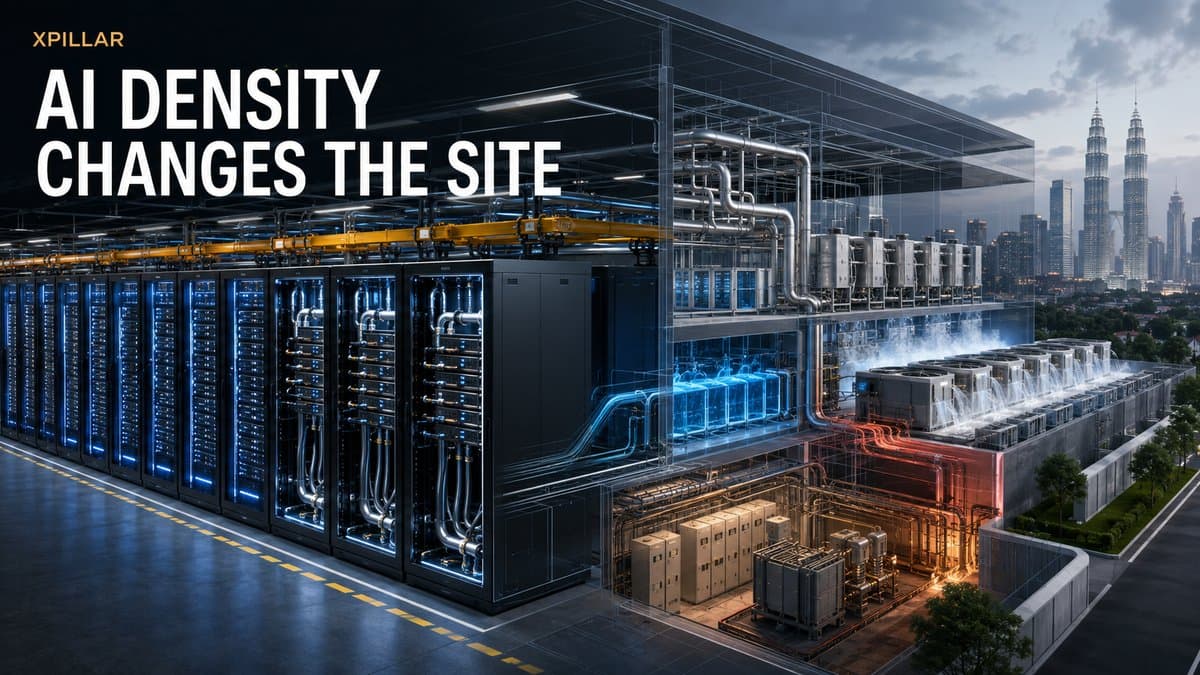
AI infrastructure is becoming much more power-denseAI基础设施的功率密度正在快速提高
One presentation slide illustrated the physical intensity of AI infrastructure using a sample configuration of ten server racks containing 31 NVIDIA H100 systems. The example showed:
演讲其中一张投影片以10个服务器机柜、31套NVIDIA H100系统作为示例,显示:
- approximately 10.2kW per H100 system, compared with about 6kW for a conventional system;每套H100系统约需10.2kW,传统系统示例约为6kW;- approximately 40.8kW for an AI-ready rack containing four H100 units; and每个配置4套H100的AI-ready机柜约需40.8kW;以及- approximately 316.2kW for a ten-rack cluster.10个机柜组成的集群约需316.2kW。
These figures were presented as an illustrative configuration, not a universal design standard. Actual rack density varies according to GPU generation, server configuration, utilisation, redundancy, cooling technology and operator specifications.
这些数字属于演讲中的示例配置,并非所有数据中心必须采用的固定标准。实际机柜密度会受到GPU型号、服务器配置、使用率、冗余、冷却方式及营运商规格影响。
Nevertheless, the direction is clear: AI can compress substantially more power demand into a smaller technical area. This changes how a site must be assessed.
不过趋势已经非常明确:AI可以在更小的技术空间内集中更高的电力负载。因此,选址评估方式也必须改变。
Traditional screening questions such as “How many acres?” and “Is there a TNB substation nearby?” are no longer sufficient. A serious assessment must ask:
传统筛选问题,例如“有多少英亩?”或“附近有没有TNB变电站?”,已经不足够。专业筛选必须进一步回答:
- What is the target IT load in megawatts?目标IT Load是多少MW?- What facility load results after applying the design PUE?加入设计PUE后,整个设施需多少MW?- Can TNB deliver that capacity, at the required voltage, by the required date?TNB能否按指定电压及期限交付所需容量?- What land is needed for substations, transformers, switchgear, backup generation, energy storage and fuel systems?变电站、变压器、开关设备、备用发电、储能及燃油系统需要多少土地?- Can the cooling design remove the heat produced by high-density AI equipment?冷却系统能否排走高密度AI设备产生的热量?- Are there diverse fibre routes with suitable latency and international connectivity?是否具备路线多元化、合适延迟和国际连接能力的光纤?
Voltage nearby is not the same as approved megawatt capacity附近有高压电,不等于MW容量已经获批
This is one of the most common sources of misleading data centre land advertising in Malaysia.
这是马来西亚数据中心土地广告最常见的误区之一。
A site may be close to an 11kV or 33kV line, a 132kV transmission corridor, a substation or a high-voltage tower. That does not prove that the project has secured the required megawatts. Voltage is the level at which electricity is delivered; capacity is the amount of load the network can support after technical assessment and any necessary reinforcement.
土地可能靠近11kV或33kV电缆、132kV输电走廊、变电站或高压电塔,但这并不能证明项目已获得所需MW。电压是输送电力的等级;容量则是电网完成技术评估及必要强化工程后,能够为项目承担的负载。
For early screening, a developer should request written evidence covering:
初步筛选时,发展商应取得书面资料,确认:
- the proposed point of connection;建议接电点;- voltage level and firm capacity available to the project;供电电压及可提供给项目的容量;- required network reinforcement or new substation works;所需电网强化或新变电站工程;- route and land requirements for the connection;接电路线及土地要求;- estimated energisation programme;预计通电时间表;- capital contribution and connection conditions; and资本费用与接电条件;以及- whether the supply is staged or available in full at commissioning.电力是分阶段供应,还是营运时一次到位。
Until these matters are confirmed, phrases such as “50MW-ready” or “100MW-ready” should not be treated as bankable facts.
在这些事项获确认以前,“50MW-ready”或“100MW-ready”不应被视为可依赖的交易事实。
Land size must be calculated from the facility, not guessed from acreage土地面积必须从完整设施反算
There is no single official rule stating that one acre always supports a fixed number of megawatts. Two sites with the same gross area can have very different usable capacity because of setbacks, access roads, drainage reserves, slope, flood mitigation, retention ponds, utility corridors and substation requirements.
市场上不存在“每英亩必定支持固定MW”的统一官方标准。两块总面积相同的土地,可能因为退界、道路、沟渠保留地、地势、防洪、蓄水池、公用设施走廊或变电站用地,而产生完全不同的可发展容量。
A more reliable first-stage calculation begins with the project load:
初步计算应从项目负载开始:
Facility electrical load = Target IT load × Design PUE
设施总电力负载 = 目标IT Load × 设计PUE
For example, a proposed 40MW IT facility operating at a design PUE of 1.35 would require approximately 54MW at facility level before project-specific margins and phasing are considered.
例如,目标IT Load为40MW、设计PUE为1.35,设施层面的电力需求约为54MW,尚未加入项目特定的裕量与分期安排。
The project team must then prepare a concept layout covering the data halls, mechanical and electrical plant, TNB infrastructure, backup systems, cooling equipment, internal circulation, security perimeter, drainage, fire access and expansion phases. Only after this layout is tested can the team estimate whether the net developable land is adequate.
项目团队随后必须把数据机房、机电设备、TNB设施、备用系统、冷却设备、内部道路、保安退界、排水、消防通道及未来扩建阶段放入概念总图。只有完成布局测试后,才能判断净可发展土地是否足够。
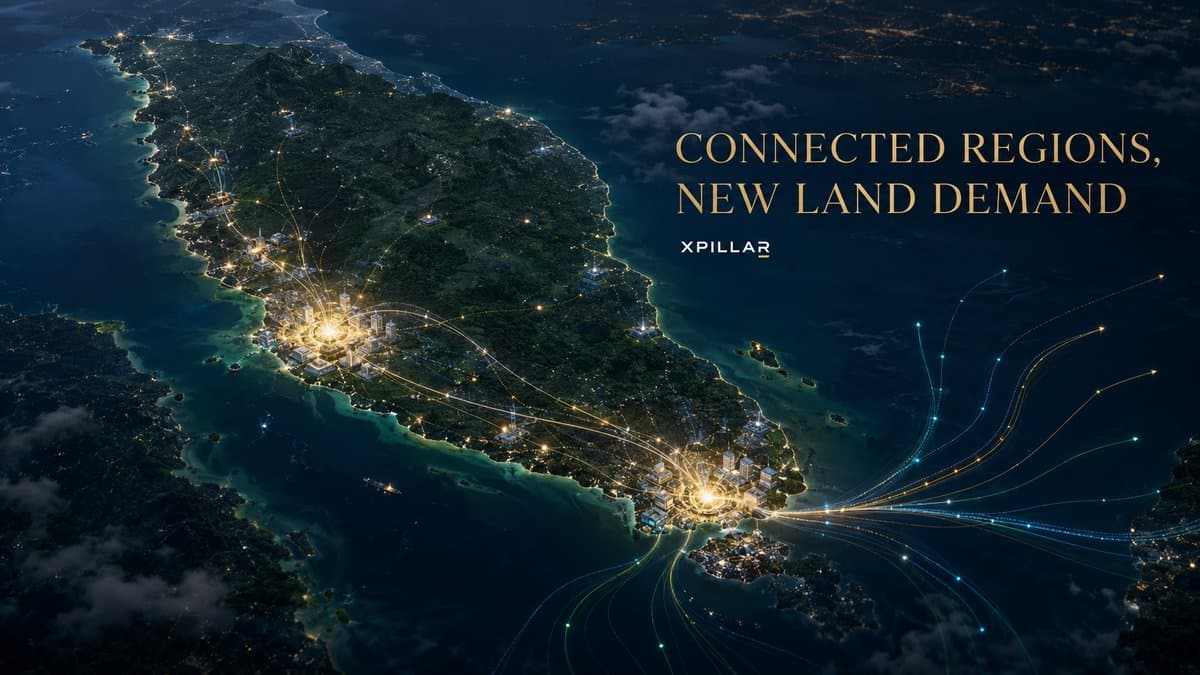
Connectivity is becoming a property requirement光纤连接已经成为房地产条件
MDEC’s presentation also highlighted Malaysia’s need to strengthen domestic and international connectivity. One slide stated that Singapore’s international bandwidth was approximately 13.5 times Malaysia’s, using figures of 427,317Gbps for Singapore and 31,730Gbps for Malaysia. The presentation described concentration risk where traffic from new Malaysian data centres is routed through Singapore.
MDEC演讲也强调马来西亚必须加强国内及国际连接。其中一张投影片引用新加坡国际带宽约为马来西亚13.5倍的数据,分别为427,317Gbps及31,730Gbps,并指出马来西亚新数据中心流量若主要绕经新加坡,将形成集中风险。
The slides referenced several connectivity directions, including:
演讲提到的连接方向包括:
- east–west gateways linking East and West Johor;东西向柔佛网关;- a north–south backbone connecting Malaysia’s fibre network;马来西亚南北光纤骨干;- the proposed CANDLE submarine cable system;拟议的CANDLE海底电缆系统;- the Johor–Singapore Special Economic Zone; and柔佛—新加坡经济特区;以及- an ASEAN cross-border cloud framework.ASEAN跨境云框架。
For property selection, “fibre available” is therefore too broad. Developers should establish the identity of carriers, route diversity, entry points, spare capacity, latency, service availability date and the extent to which two apparently separate connections share a common physical path.
因此,“有光纤”并不是足够具体的物业说明。发展商必须进一步确认电信商身份、实体路线是否真正分开、接入点、剩余容量、延迟、服务开通日期,以及两条看似独立的线路会否共用同一物理路径。
Johor’s strength creates opportunity—and higher proof requirements柔佛的优势也提高了地主举证要求
The presentation cited an Asia-Pacific data centre maturity comparison in which Johor ranked first among primary markets. MIDA has separately described Johor as a major AI-ready digital infrastructure location and reported continued hyperscale investment in the state.
演讲引用的亚太区数据中心成熟度比较,把柔佛列为主要市场第一名。MIDA也在2026年3月把柔佛描述为重要的AI-ready数字基础设施地点,并报道当地持续吸引超大规模数据中心投资。
However, market attention alone does not make every Johor industrial parcel suitable. As demand increases, developers will distinguish between land with marketing claims and land supported by evidence.
然而,市场热度并不会令每一块柔佛工业地自动合格。需求越高,发展商越会区分“只有宣传”的土地与“能够提供证据”的土地。
A credible land submission should show:
可信的地主资料至少应包括:
- title, ownership and land-use category;地契、业权及土地用途类别;- gross and net developable acreage;总面积与净可发展面积;
- coordinates and survey plan;坐标及测量图;
- planning zoning and development parameters;规划用途及发展参数;
- flood level, drainage and earthwork information;地势、防洪、排水及土方资料;
- confirmed road and heavy-equipment access;已确认的道路及重型设备通行条件;
- TNB correspondence and proposed connection route;TNB书面资料及建议接电路线;
- nearby fibre carriers and route information;附近光纤电信商及路线资料;
- water source and expected demand;水源及预计需求;
- environmental and community constraints; and环境及社区限制;以及
- realistic vacant-possession and development timing.现实可行的交地及发展时间。
The same standard applies in Klang Valley and other emerging locations. A site closer to demand may still fail if power delivery, connectivity, planning or construction logistics cannot be resolved.
巴生谷及其他新兴地点同样适用这套标准。即使土地更接近终端客户,如果电力、光纤、规划或施工物流无法解决,仍然可能不适合项目。
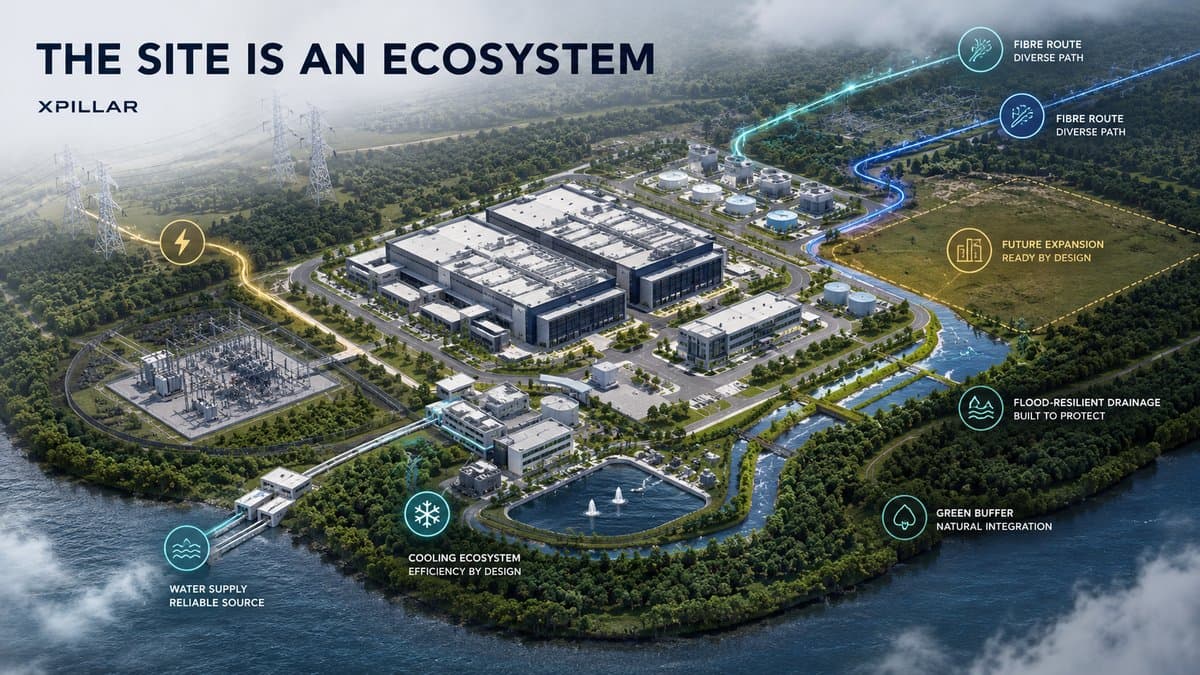
Malaysia’s AI ambition requires an infrastructure ecosystem马来西亚AI目标需要完整基础设施生态
The MDEC presentation framed the task across five areas: investment promotion and facilitation, oversight and governance, regional policy advocacy, industry collaboration and talent development. It also linked digital infrastructure to the Thirteenth Malaysia Plan, Malaysia Digital Economy Blueprint 2030 and the New Industrial Master Plan 2030.
MDEC把下一代数字基础设施工作归纳为五个方向:投资推广与协调、监督与治理、区域政策倡议、产业合作及人才发展,并连接第十三大马计划、Malaysia Digital Economy Blueprint 2030及New Industrial Master Plan 2030。
MDEC’s wider AI Nation 2030 position similarly emphasises an ecosystem approach rather than standalone facilities. MIDA reported in March 2026 that more than US$16 billion of data centre projects had been announced by major global technology companies, while also arguing that Malaysia must move from scale towards higher-value, AI-ready and sustainable digital infrastructure.
MDEC的AI Nation 2030方向同样强调生态系统,而不是单独建设机房。MIDA于2026年3月表示,全球科技企业近年在马来西亚宣布的数据中心项目投资超过160亿美元,同时主张马来西亚必须从单纯规模,升级至更高价值、更适合AI及更可持续的数字基础设施。
For industrial real estate, this means the winning locations will not be selected by land price alone. They must connect property, grid capacity, digital networks, policy, sustainability, suppliers and skilled people into an executable project.
这意味着工业地产选址不会只由土地价格决定。真正具有竞争力的地点,必须把物业、电网、数字网络、政策、可持续性、供应商及人才组合成可执行的项目。
XPillar’s practical screening frameworkXPillar建议的数据中心土地筛选次序
XPillar recommends screening a potential data centre site in the following order:
XPillar建议按照以下顺序筛选潜在数据中心地块:
1. Define the load 确定负载State the target IT load, design PUE, initial phase, ultimate campus load and required energisation dates.
列出目标IT Load、PUE、第一期与最终园区负载,以及各阶段通电日期。
2. Establish deliverable power 确认可交付电力Obtain written utility evidence. Record the point of connection, available capacity, voltage, reinforcement, route, cost responsibility and programme.
取得书面电力资料,核实接电点、容量、电压、强化工程、路线、成本责任及时间表。
3. Test the land plan 测试土地布局Measure net developable land and prepare a concept layout including all electrical, cooling, access, fire, drainage, security and expansion requirements.
以净可发展面积绘制包含电力、冷却、道路、消防、排水、保安及扩建空间的概念总图。
4. Verify connectivity 核实光纤Identify carriers, physically diverse routes, latency, international paths, spare capacity and service dates.
确认电信商、实体多元路线、延迟、国际出口、剩余容量及开通日期。
5. Confirm approvals and resources 确认审批与资源Check planning use, environmental requirements, water, flood risk, fire access, emissions, noise, backup generation and community impact.
检查规划用途、环境要求、水源、防洪、消防、排放、噪音、备用发电及社区影响。
6. Match the transaction to the delivery risk 把交易条款与风险匹配Use appropriate conditions precedent, due-diligence periods and evidence requirements. Do not price unconfirmed power as if it were already secured.
设置适当的先决条件及尽调期限,不应把未经确认的MW当成已获批容量计价。
For landowners: submit evidence, not only an acreage and asking price地主:请提交证据,而不只是面积与叫价
XPillar welcomes submissions from owners of industrial land that may support data centre development. To enable an initial screening, provide:
XPillar欢迎可能适合数据中心发展的工业土地。地主进行初筛时应提供:
- title and ownership details; 地契及业权资料;- location pin and survey plan; 位置坐标及测量图;- gross land area and known reserves; 土地总面积及已知保留地;- zoning and approved land use; 规划及批准用途;- asking price or commercial structure; 叫价或建议商业结构;- TNB application, study or correspondence; TNB申请、研究或往来文件;- nearest substations and proposed connection route; 最近变电站及建议接电路线;- fibre providers and route information; 光纤电信商及路线资料;- water, drainage and flood information; and 水源、排水及水灾资料;以及- possession timeline and known restrictions. 可交地时间及已知限制。
Xpillar will not describe a site as having secured megawatt capacity unless the supporting evidence is available and capable of verification.
除非具备可核实的支持文件,Xpillar不会把土地描述为已经取得特定MW容量。
For data centre developers and site-selection teams数据中心发展商及选址团队
Share the target region, IT load, facility load, initial and ultimate phases, minimum net acreage, power date, fibre requirements, water/cooling strategy, planning requirements and transaction preference. Xpillar can then focus the search on sites that match the operating brief rather than sending a broad list of unqualified land.
请提供目标地区、IT Load、设施总负载、第一期及最终阶段、最低净土地面积、通电日期、光纤需求、水源或冷却策略、规划要求及交易方式。Xpillar可据此集中寻找符合营运brief的地点,而不是发送大量未经筛选的土地。
Contact Xpillar to submit a Malaysia data centre land requirement or an evidence-backed industrial land opportunity.
欢迎联系Xpillar,提交马来西亚数据中心土地需求,或具备证据的工业土地机会。
Frequently Asked Questions常见问题
1. Does land near a TNB substation already have data centre power?靠近TNB变电站的土地是否已经拥有数据中心电力?No. Proximity does not confirm available capacity, connection approval, reinforcement scope or energisation date. Obtain a written, project-specific utility assessment.
不是。距离近并不能证明电网有剩余容量、项目已获接电批准、强化工程范围或通电日期。必须取得针对该项目的书面评估。
2. Can land size be calculated from the nearby voltage level?可以根据附近电压等级计算所需土地面积吗?No. Voltage and land area do not have a fixed conversion. Start with IT load and PUE, then test a complete facility and infrastructure layout against net developable land.
不可以。电压与土地面积没有固定换算。应先以IT Load和PUE计算设施负载,再把完整机电、冷却、道路及配套布局放入净可发展土地测试。
3. Why does AI change data centre site selection?为什么AI会改变数据中心选址?AI systems can use much more power per rack than conventional computing. This increases power distribution and heat-removal requirements and may change the space needed for cooling, electrical equipment and supporting infrastructure.
AI系统每个机柜可能比传统计算使用更多电力,因此会提高配电与散热要求,也可能增加冷却、电力设备及配套基础设施所需空间。
4. Is Johor the only location suitable for data centres in Malaysia?柔佛是否是马来西亚唯一适合数据中心的地点?No. Johor is a leading market, but suitability remains site-specific. Klang Valley and other locations may serve particular latency, customer or resilience requirements if power, fibre, planning and other conditions are deliverable.
不是。柔佛是领先市场,但每块土地仍须独立评估。只要电力、光纤、规划及其他条件可以交付,巴生谷及其他地区也可能满足特定客户、延迟或韧性需求。
5. What should a landowner prepare before approaching a data centre developer?地主联系数据中心发展商前应准备什么?Prepare title, survey, zoning, net acreage, flood and drainage information, access, TNB evidence, fibre information, water availability, restrictions, asking terms and possession timing.
准备地契、测量图、规划、净面积、防洪排水、道路、TNB文件、光纤、水源、限制、叫价条件及可交地时间。
6. Can XPillar guarantee TNB capacity or government approval? XPillar能否保证TNB容量或政府批准?No. XPillar can support property sourcing and early-stage evidence screening. Capacity, technical design and statutory approval must be confirmed by TNB, relevant authorities and appointed professional consultants.
不能。XPillar可协助物业搜寻及早期证据筛选;电力容量、技术设计及法定批准仍须由TNB、有关当局及受委任专业顾问正式确认。