A factory listing can move from viable to expensive mistake in one site visit. That is why serious buyers looking at factories for sale do not start with the building alone. They start with use case, access, tenure, compliance, and how fast the asset can support revenue.
In Malaysia, especially across Selangor and the Klang Valley, industrial stock is not uniform. Two properties with similar built-up sizes can perform very differently depending on loading access, power supply, road links, title conditions, and whether the layout actually fits production, storage, or last-mile distribution. For owner-occupiers, a wrong choice creates operational drag. For investors, it can narrow the tenant pool and weaken rental resilience.
Industrial property rewards precision. A retail shop can often be adapted with moderate cost. A factory cannot. Ceiling height, floor loading, yard depth, electrical capacity, drainage, and vehicle movement affect whether a business can operate efficiently from day one.
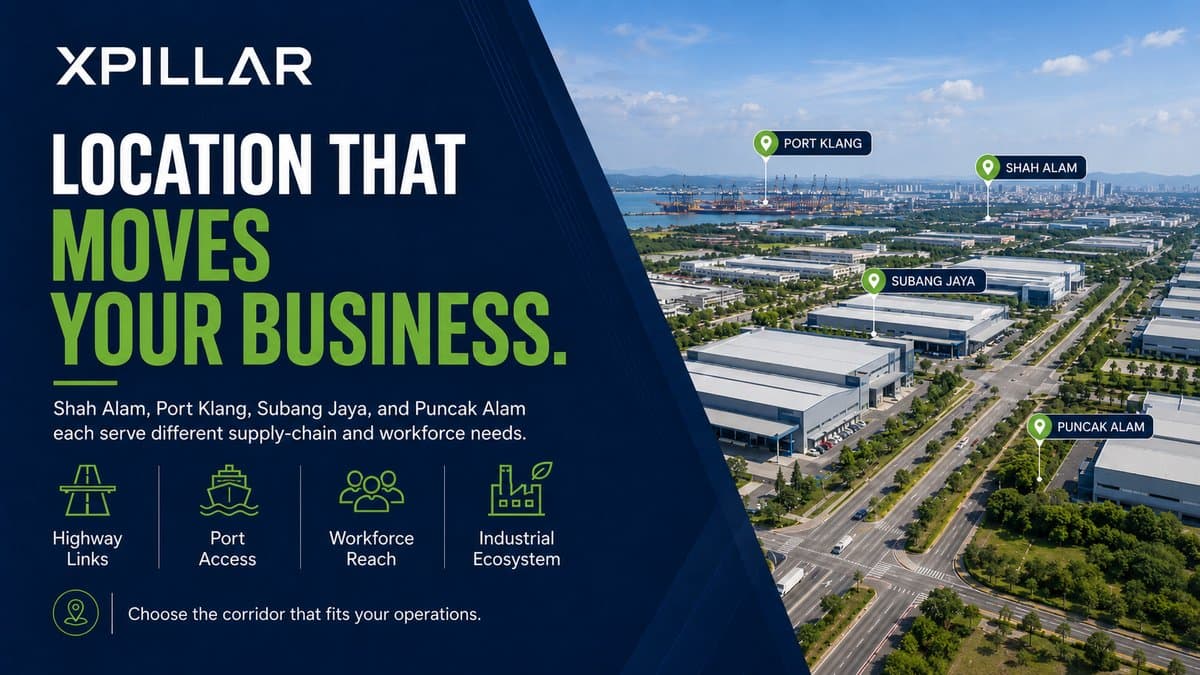
Location also carries more weight than many first-time industrial buyers expect. A factory in Shah Alam may suit established manufacturing and vendor ecosystems. Port Klang appeals to import-export and container-linked operations. Subang Jaya can work for light industrial users who need central access. Puncak Alam may offer more space economics, but transport patterns and labor access need a harder look. The right location depends less on map distance and more on supply chain logic.
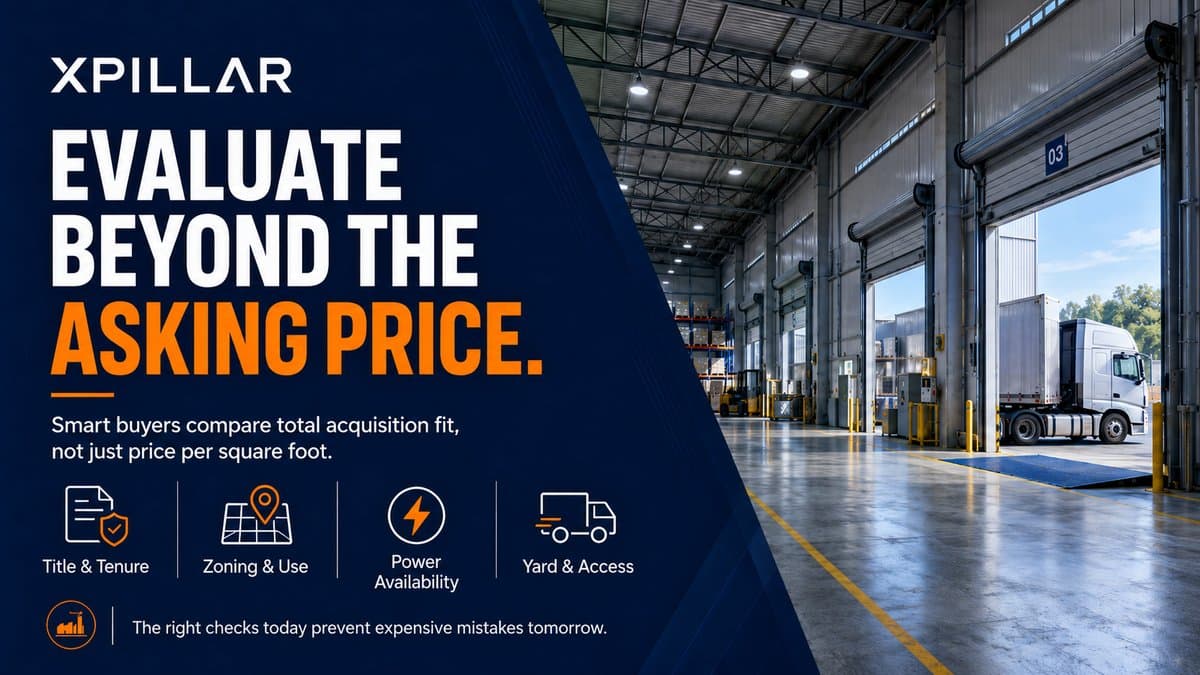
This is where many searches go wrong. Buyers compare listings by price per square foot before they confirm whether the property supports their real operating model. A cheaper factory with poor trailer access or limited power can become the more expensive asset after retrofits, delays, and lost throughput.
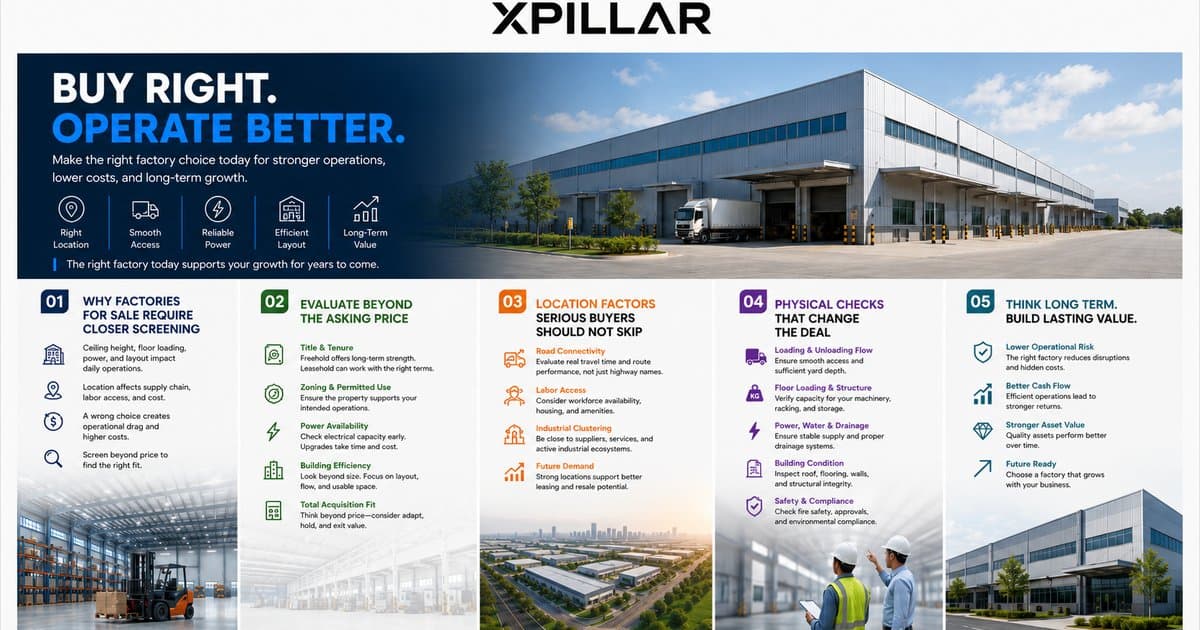
Price matters, but industrial buyers should think in terms of total acquisition fit. That means asking what the property will cost to acquire, adapt, hold, and exit.
Start with title and tenure. Freehold industrial assets often command stronger long-term appeal, particularly for buyers focused on capital preservation or redevelopment optionality. Leasehold can still make sense if the remaining term is healthy, the location is established, and the discount is meaningful. The trade-off is future buyer appetite and financing comfort. If two sites are operationally equal, tenure can become the deciding factor.
Then assess zoning and permitted use. This sounds basic, but it is one of the most practical filters in industrial acquisition. A property labeled as factory space may not align with your exact manufacturing process, storage profile, or licensing requirement. Heavy, medium, and light industrial uses can bring different constraints. Buyers should verify that the intended activity, not just the broad asset type, matches what is allowed.
Power availability is another non-negotiable point. Manufacturers know this, but investors sometimes overlook it when buying tenanted or vacant stock. Upgrading electrical load can take time and capital. If the factory is being acquired for production, engineering, cold chain, or machinery-intensive use, utility capacity should be reviewed early, not after terms are agreed.
The same goes for building efficiency. A factory with generous built-up area may still be inefficient if too much space is lost to awkward office allocation, poor circulation, or limited loading frontage. For logistics and warehousing users, yard area, docking practicality, and truck turning radius can matter more than headline size. For production users, clear spans, floor condition, and service core placement often matter more than cosmetic finishes.
Industrial location is less about prestige and more about movement. A strong factory location reduces delivery time, labor friction, and transport cost. It also supports future leasing demand if the property becomes an investment hold.
Road connectivity should be judged by actual route performance, not just highway names on a brochure. Access to key corridors, port routes, airports, and urban consumption zones affects how useful the site is in daily operation. A property near a major expressway can still underperform if the final stretch involves congestion, weight restrictions, or poor industrial road design.
Labor is another practical variable. Some industrial zones benefit from established workforce catchments, nearby worker housing, and support services. Others offer cheaper land but create staffing challenges. This matters for manufacturing occupiers, especially those operating multiple shifts or specialized processes.
Industrial clustering is often a hidden advantage. When a factory sits within an active manufacturing or logistics corridor, buyers gain more than visibility. They gain supplier access, maintenance support, transport ecosystems, and stronger long-term user demand. That is one reason searches in Selangor remain active across mature locations and newer expansion belts alike.
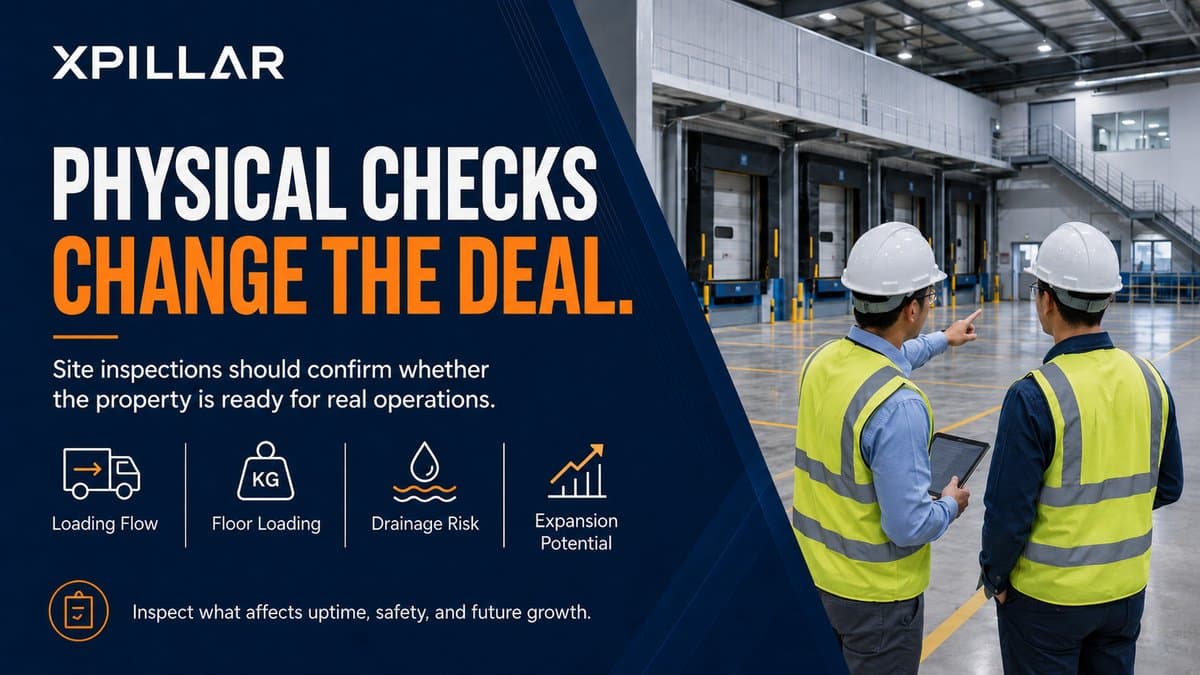
Factory transactions can look clean on paper and still contain expensive physical issues. Site inspection should be treated as a commercial exercise, not a cosmetic walkthrough.
Check loading and unloading flow first. Can containers, trailers, or lorries enter and exit without bottlenecks? Is there enough yard depth for staging? Are loading points aligned with the actual operating model? A business that depends on high daily vehicle movement cannot afford a site that works only in low-volume conditions.
Next, review ceiling height, floor loading, and structural suitability. These determine racking options, equipment placement, and future reconfiguration. A buyer planning to upgrade production lines should be careful with older stock that may need more structural work than expected.
Drainage and flood exposure also deserve blunt assessment. Industrial downtime caused by water ingress is not a minor inconvenience. It affects inventory, machinery, compliance, and insurance. In some locations, this is a pricing issue. In others, it is a walk-away issue.
Finally, inspect expansion potential. Some buyers only evaluate current built-up area and ignore whether the site allows extension, yard optimization, or operational redesign. If the business is likely to grow, the ability to add capacity on the same site can be more valuable than a lower entry price elsewhere.
The best factories for sale are not the same for every buyer. An owner-occupier typically prioritizes operational fit, immediate usability, compliance, and transport efficiency. A pure investor may accept a less customized layout if the location, tenure, and tenant demand are strong.
Owner-occupiers should usually be more demanding on technical details. A slightly higher acquisition price can be justified if the property reduces retrofit work and gets operations live faster. Delayed occupation has a real business cost.
Investors need to think about reletting depth. A highly specialized factory can be attractive if acquired below replacement logic, but it may appeal to a narrower pool of future tenants. Generic, functional industrial formats in proven corridors often produce more stable leasing outcomes, even if they feel less distinctive.
This is where market positioning matters. In concentrated industrial search environments such as XPillar, buyers can compare size, location, asking price, and asset type faster, which helps narrow options by transaction intent rather than browsing broadly across mixed property categories.
Start with non-negotiables. Define location range, tenure preference, minimum power requirement, loading needs, and built-up size. Then screen for title compatibility and road access. Only after those basics are confirmed should price enter the first round seriously.
From there, compare the real cost of readiness. One property may be cheaper but require significant electrical work, floor reinforcement, or licensing delays. Another may carry a firmer asking price but be closer to operational use. Smart buyers measure speed to usability, not just entry cost.
It also helps to think one step ahead. If the asset needs to be sold or leased in three to seven years, who is the next likely buyer or tenant? A factory that works for your business and also fits broad industrial demand gives you better downside protection.
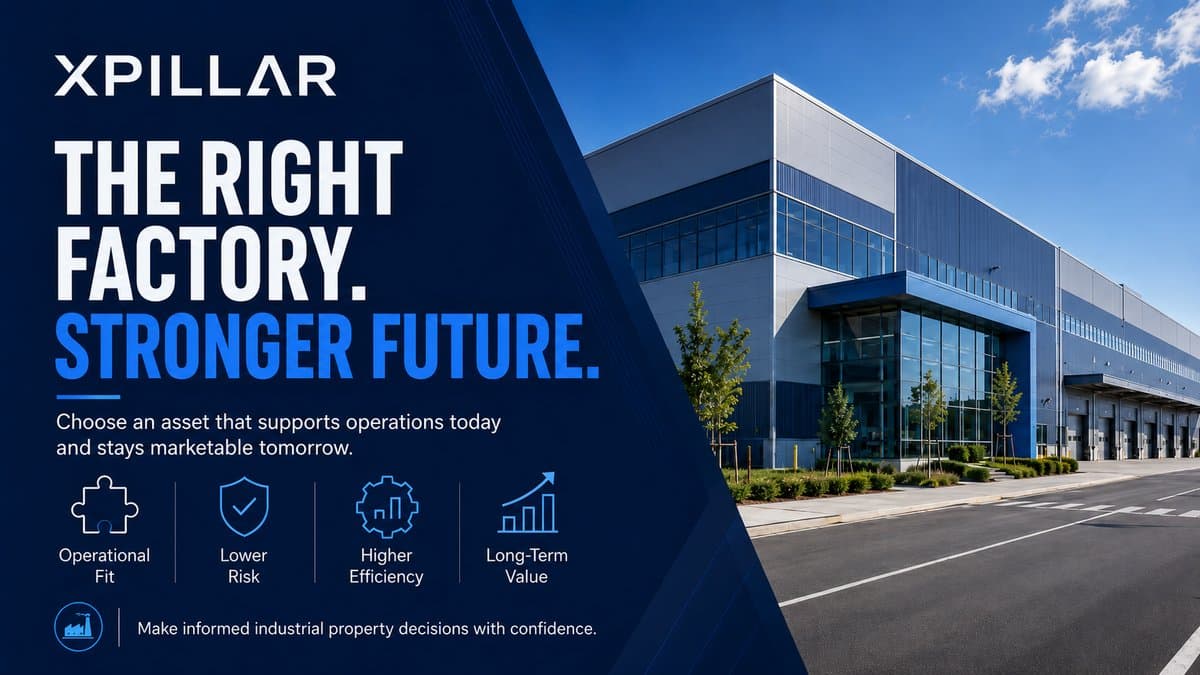
Serious industrial buying is rarely about finding the cheapest listing. It is about finding the property that matches operational need, holds value in its corridor, and stays marketable when plans change. In a market where every square foot has to justify itself, the right factory is the one that works hard before and after the purchase.